Point Judith Light

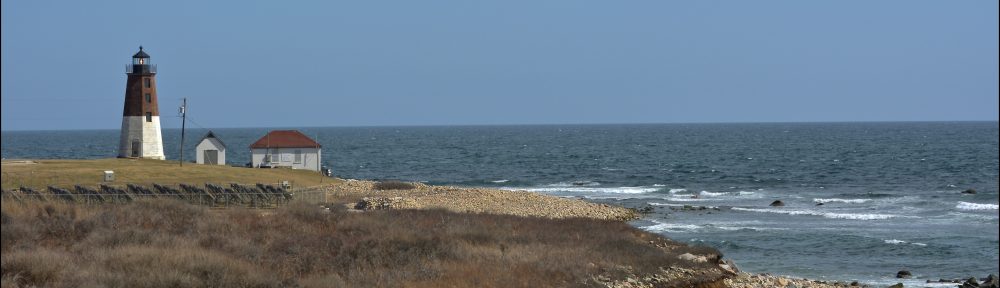
Images of Point Judith Lighthouse (Narragansett Bay, Rhode Island)

The Point Judith Light is located at the north side of the eastern entrance to Block Island Sound and on the west side of the entrance to Narragansett Bay, Rhode Island. The confluence of two waterways make this area busy with water traffic and the waters around Point Judith are very cold and dangerous. Historically, even with active lighthouses, there have been many shipwrecks off these coasts.

From the U.S. Coast Guard website:                                                                             Point Judith property was purchased on 25 May, 1809 from Hazard Knowles for the sum of $300.00. Point Judith has often been referred to as the “Cape Hatteras of New England”.

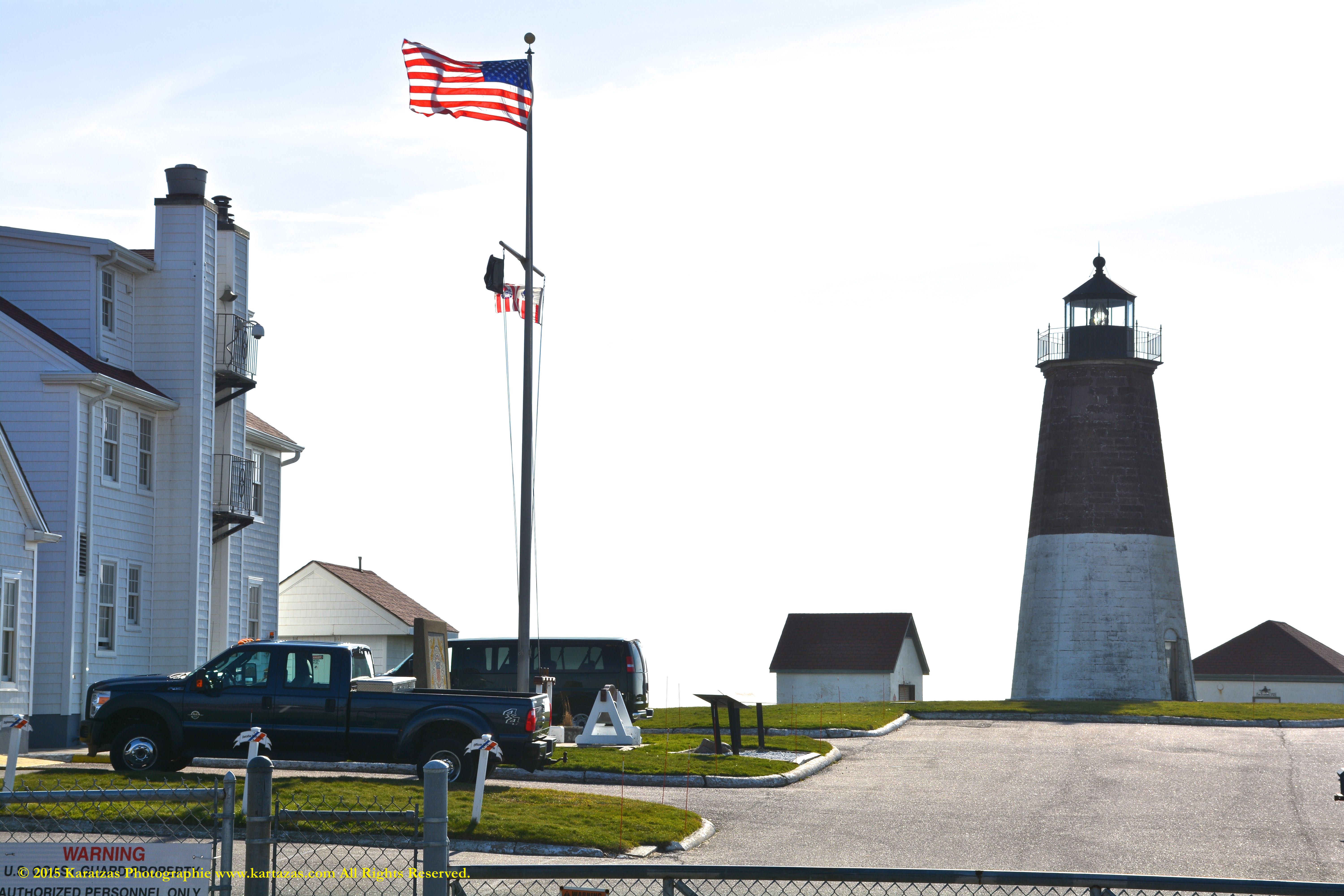
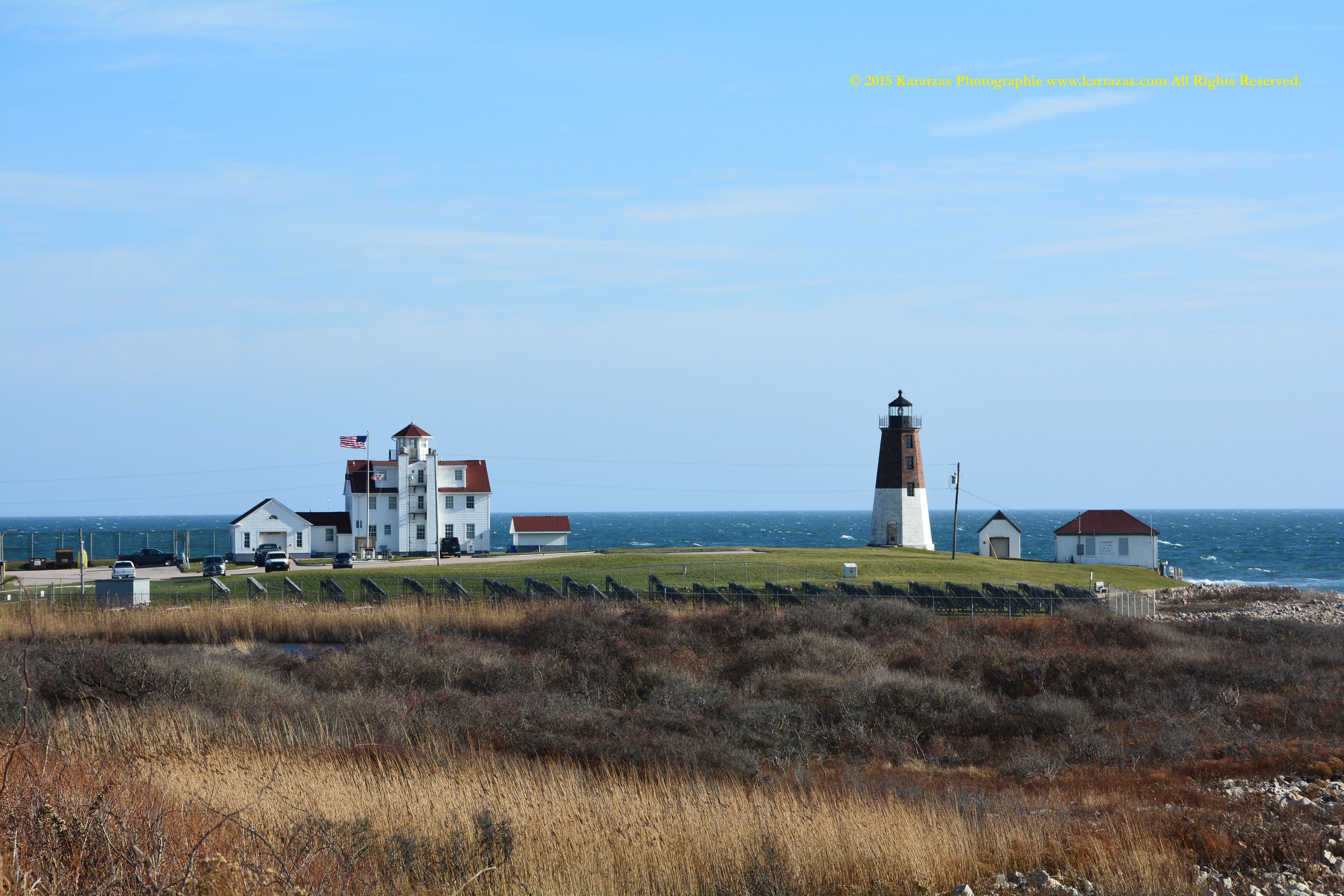
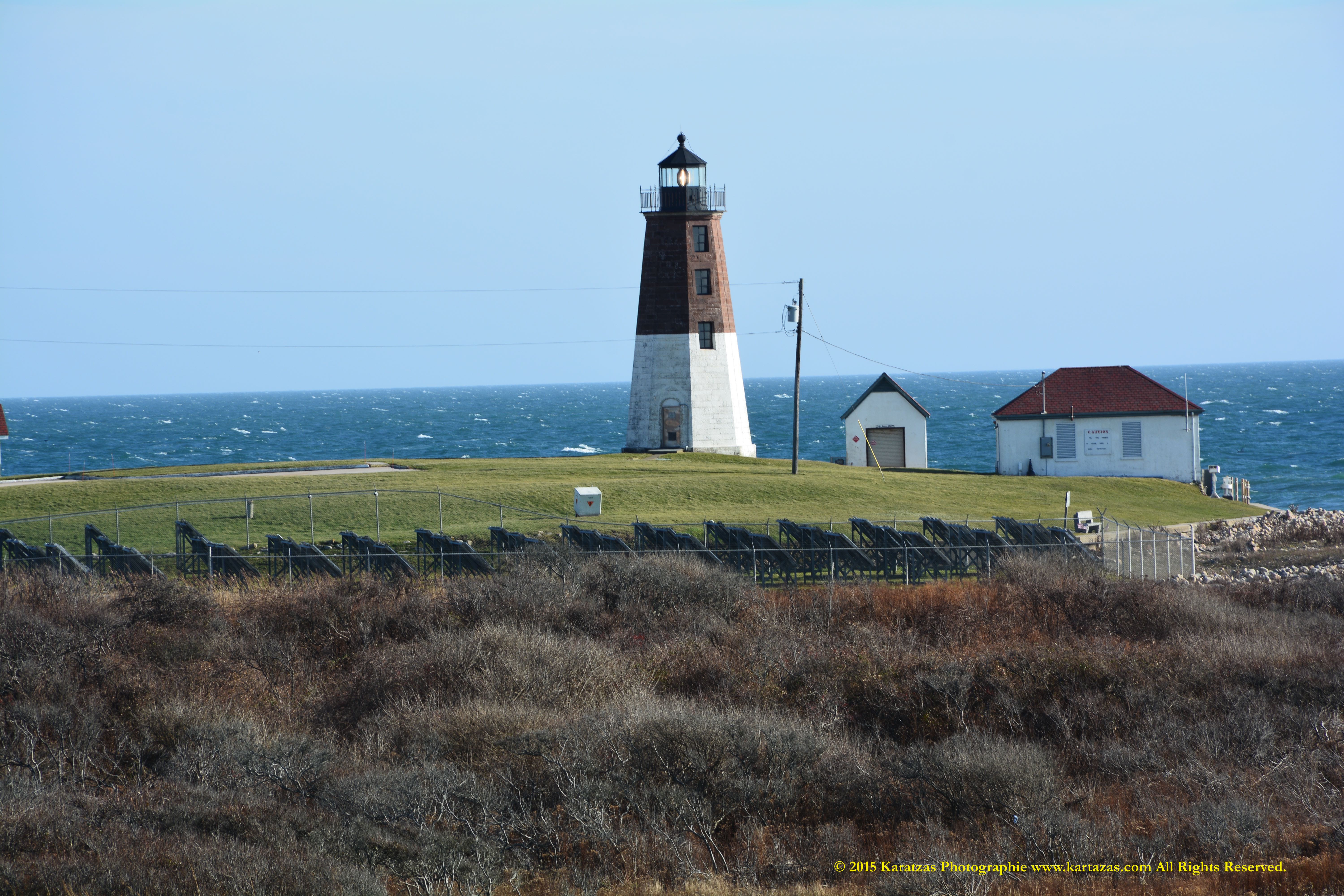
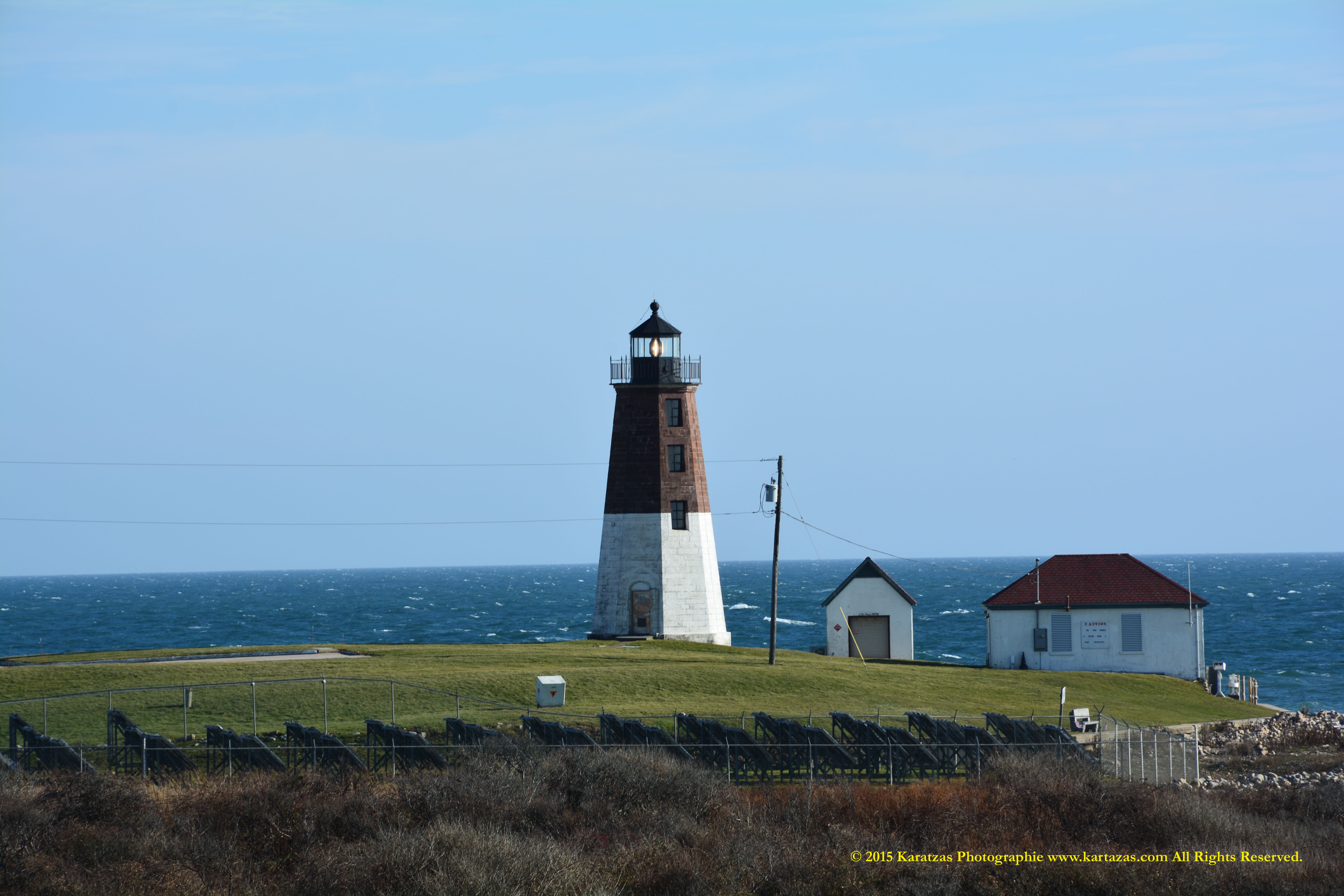
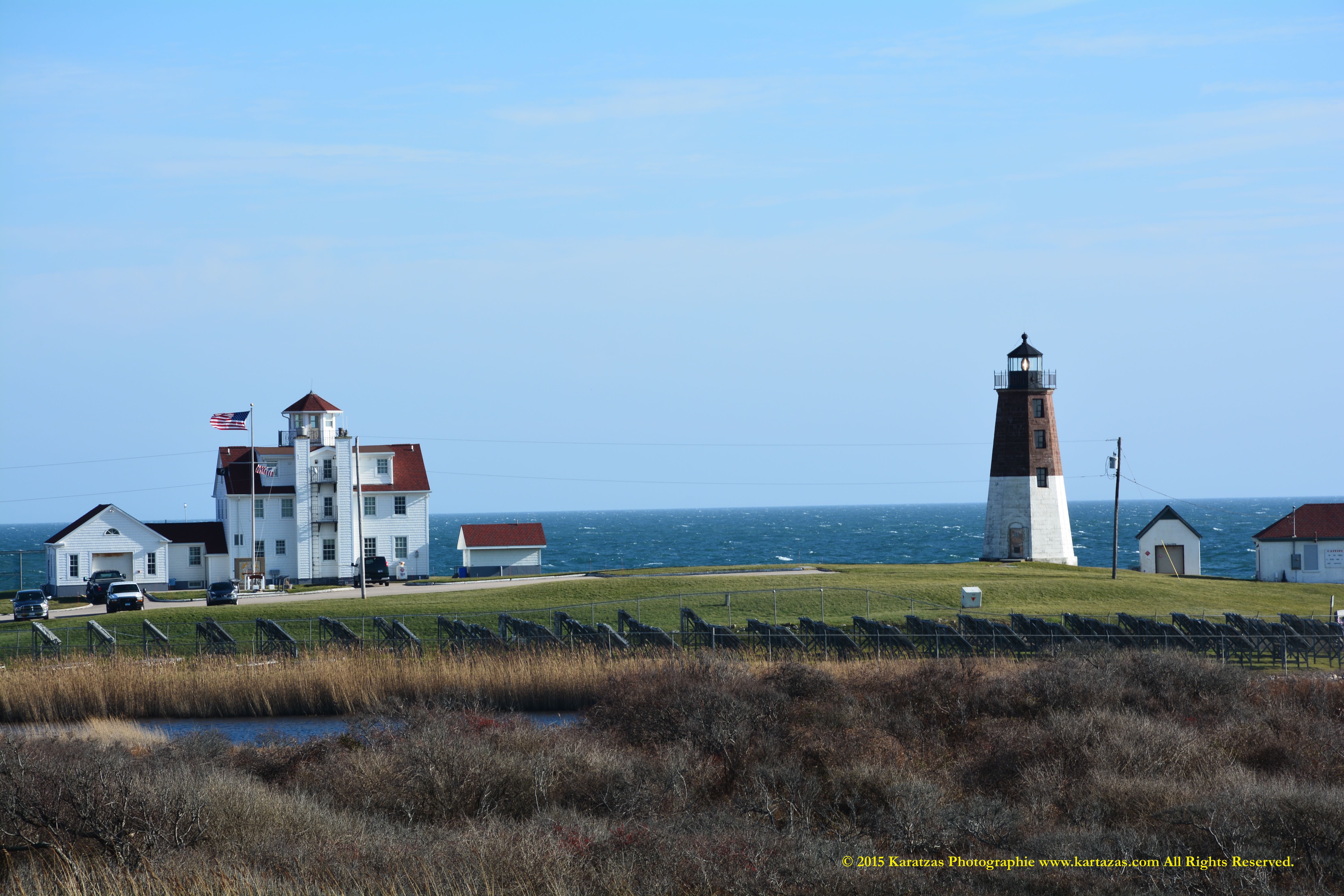
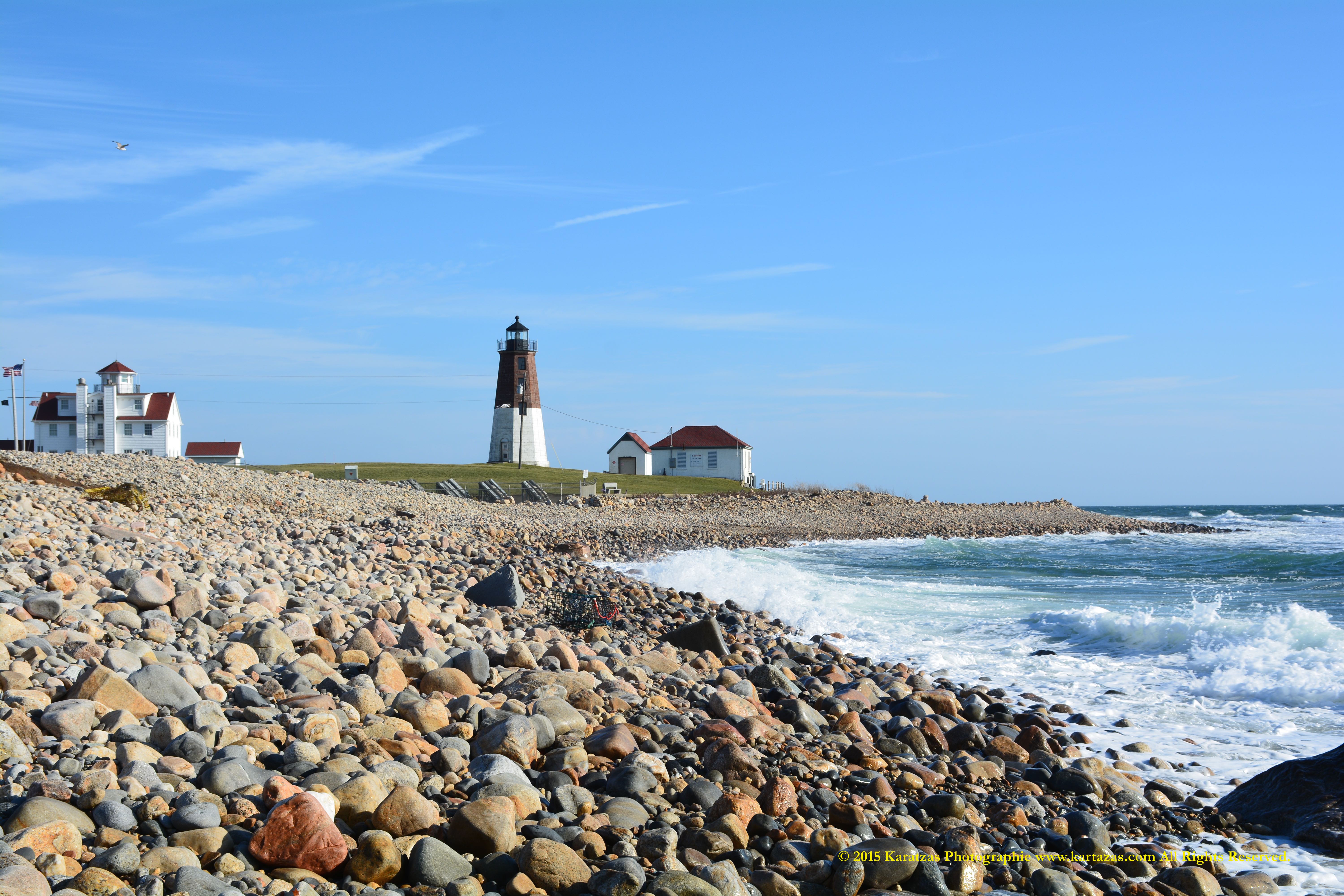
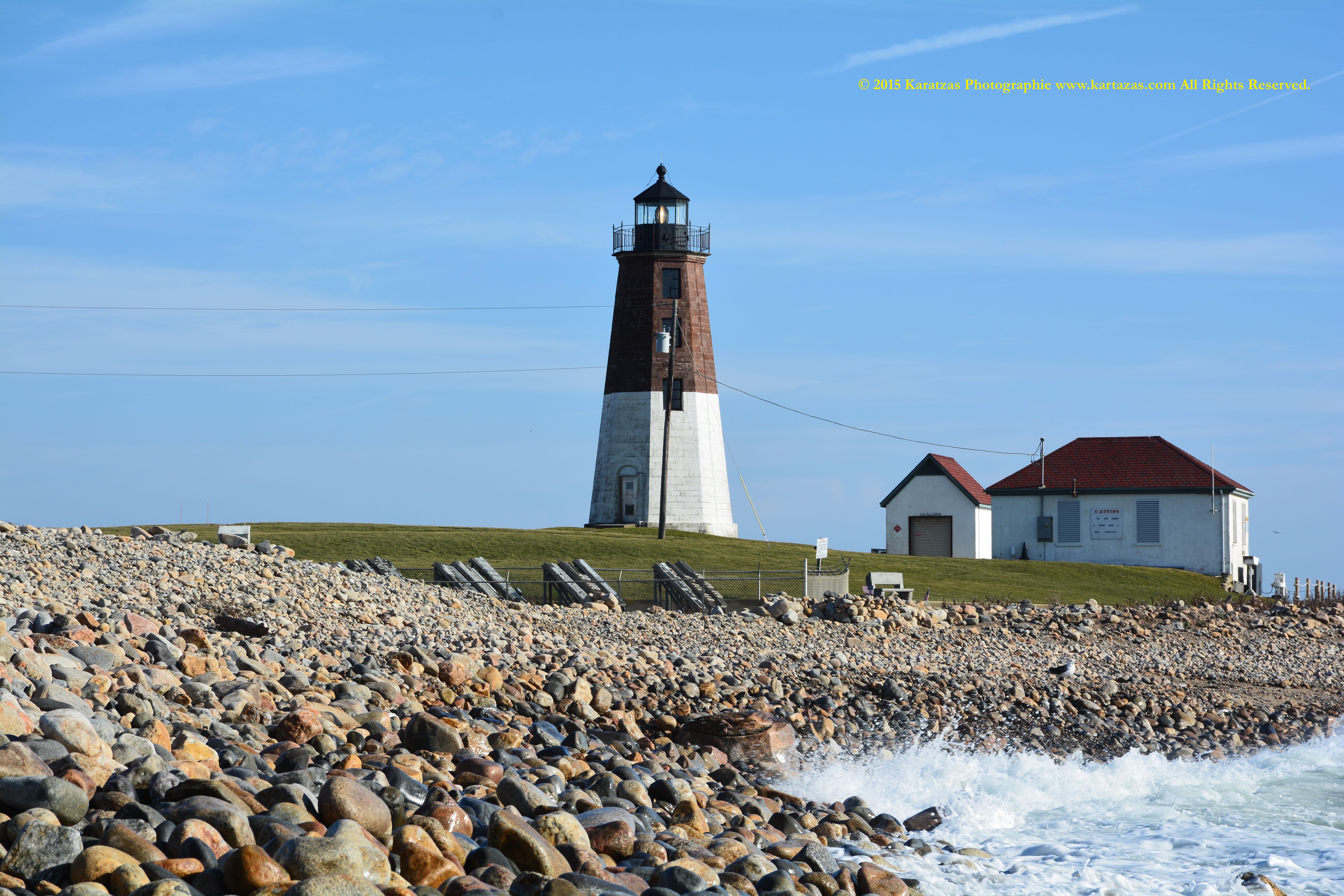
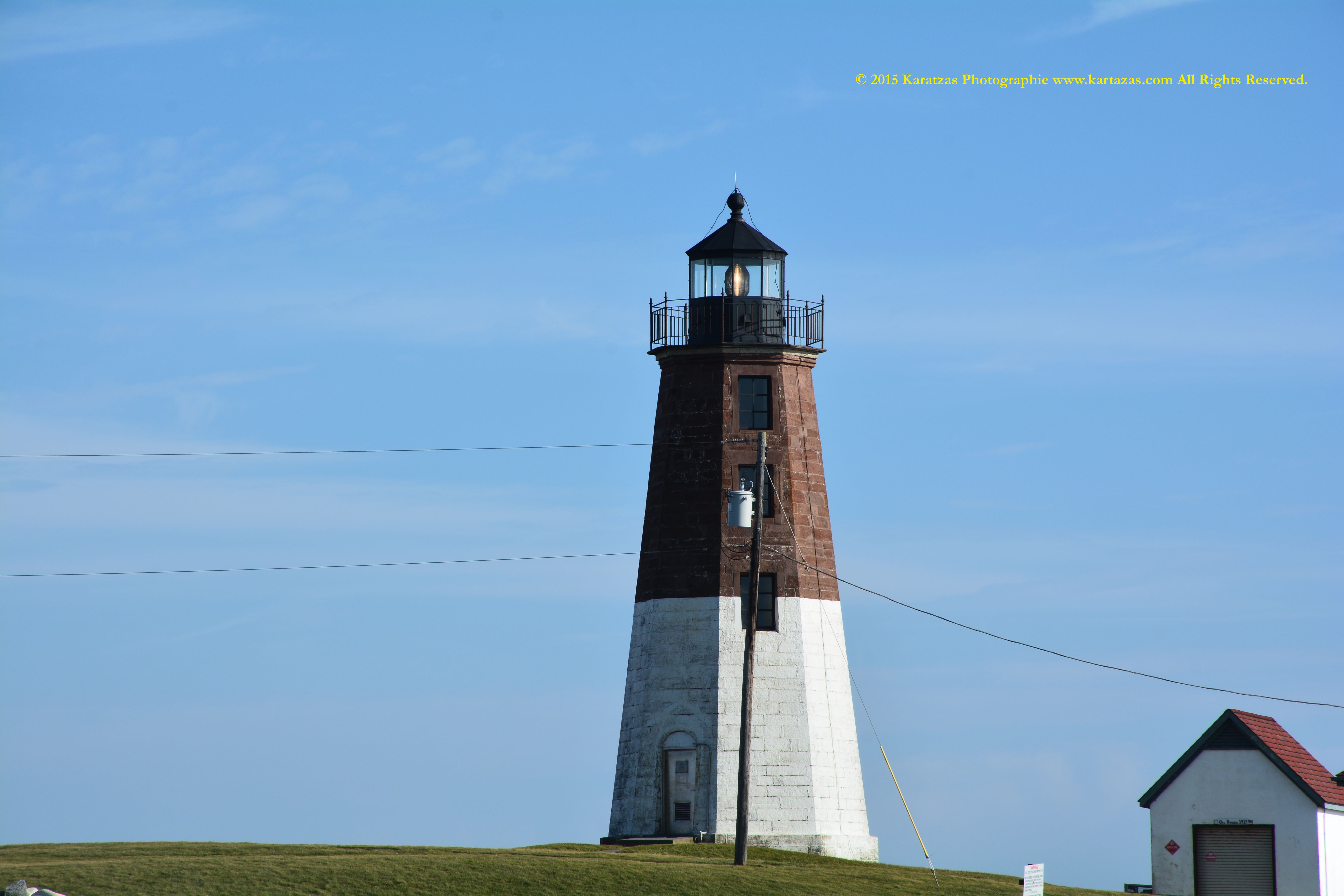
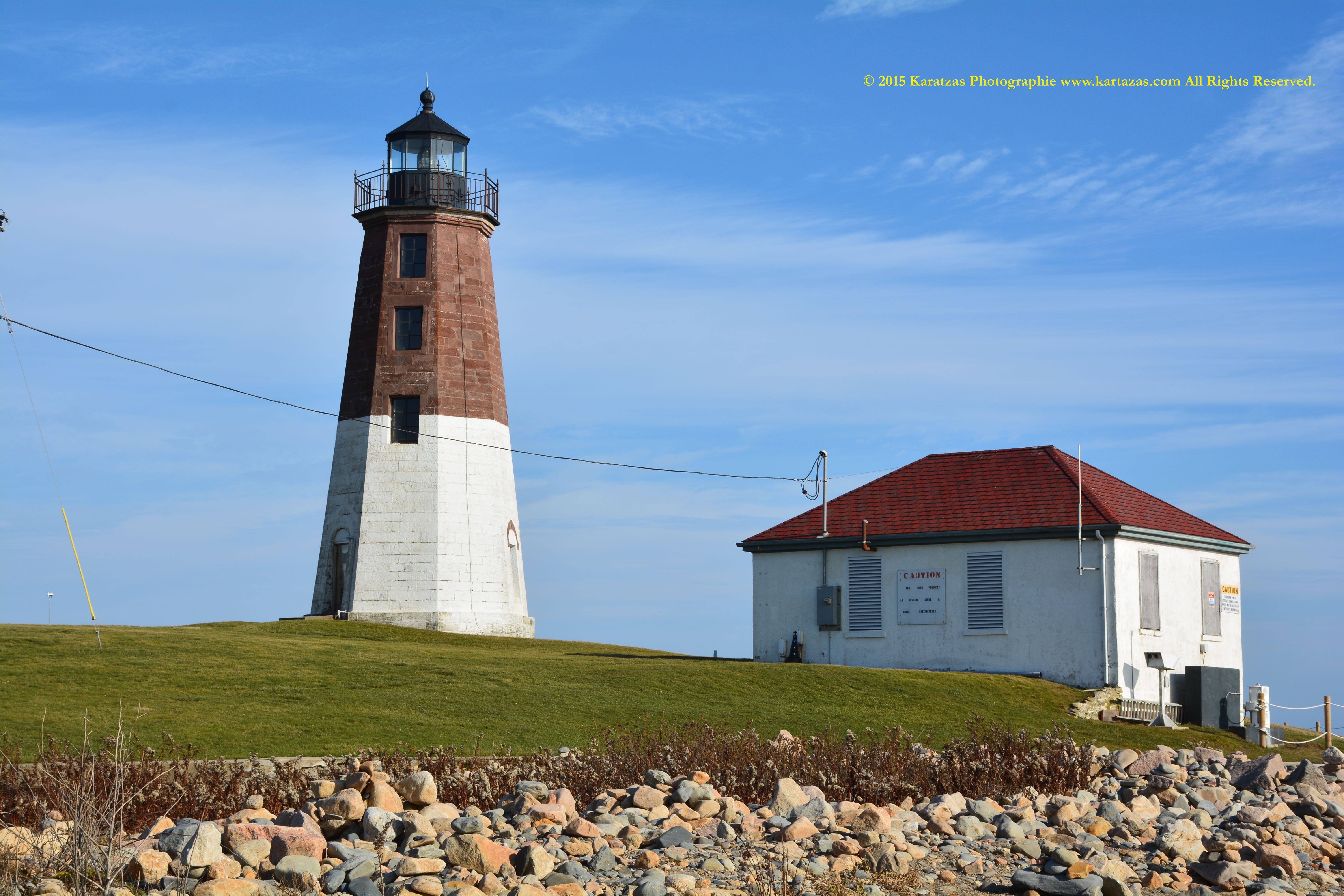
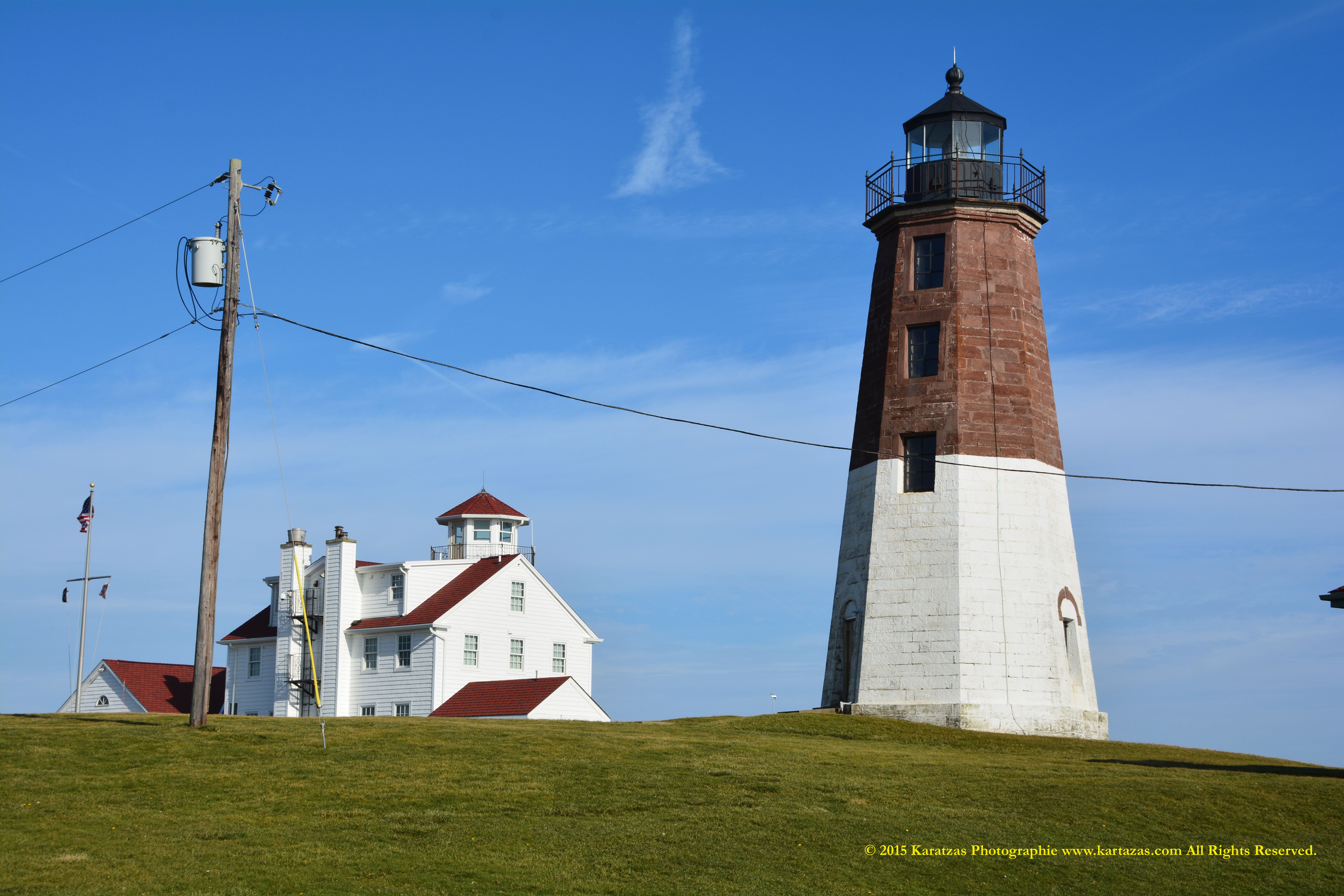
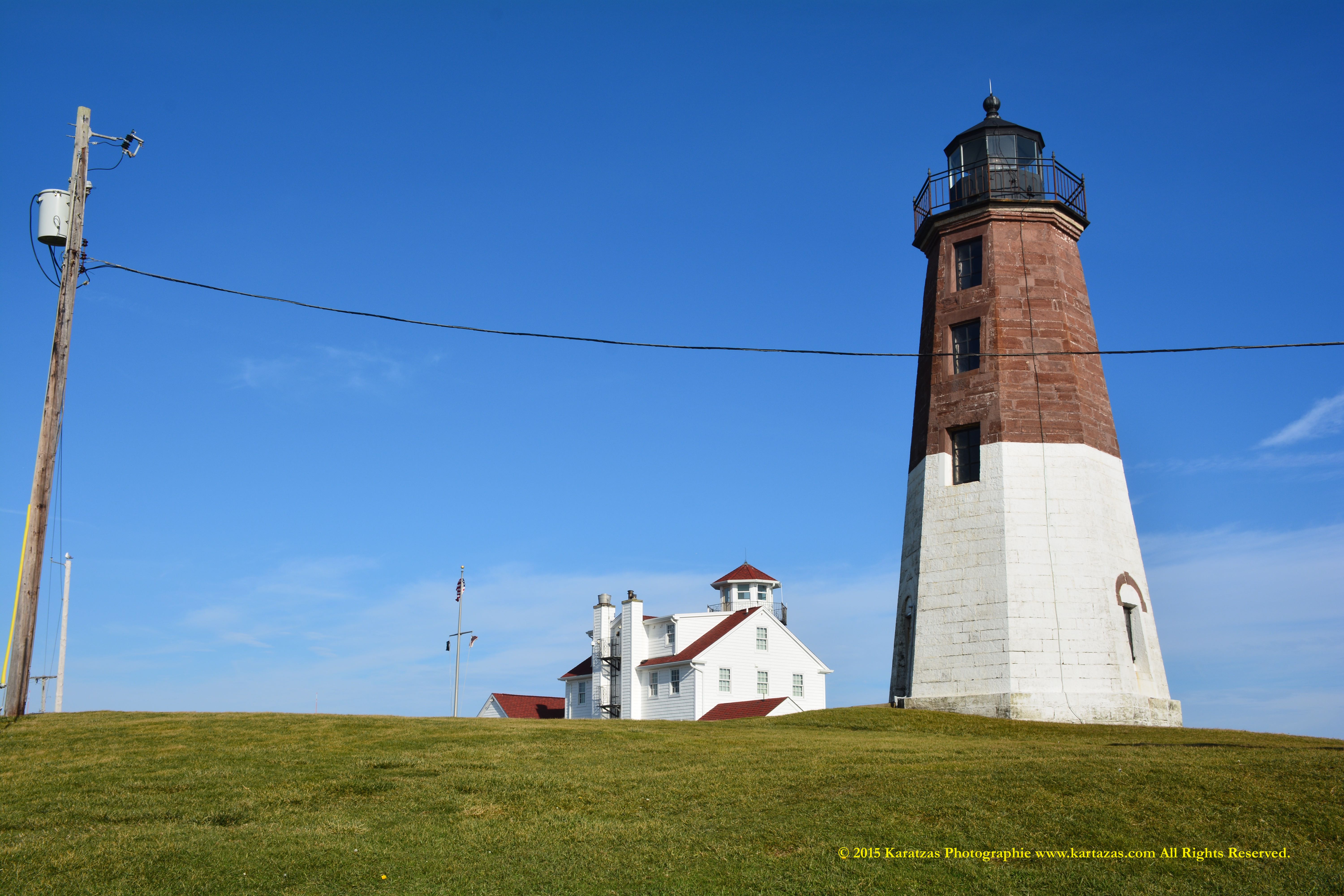
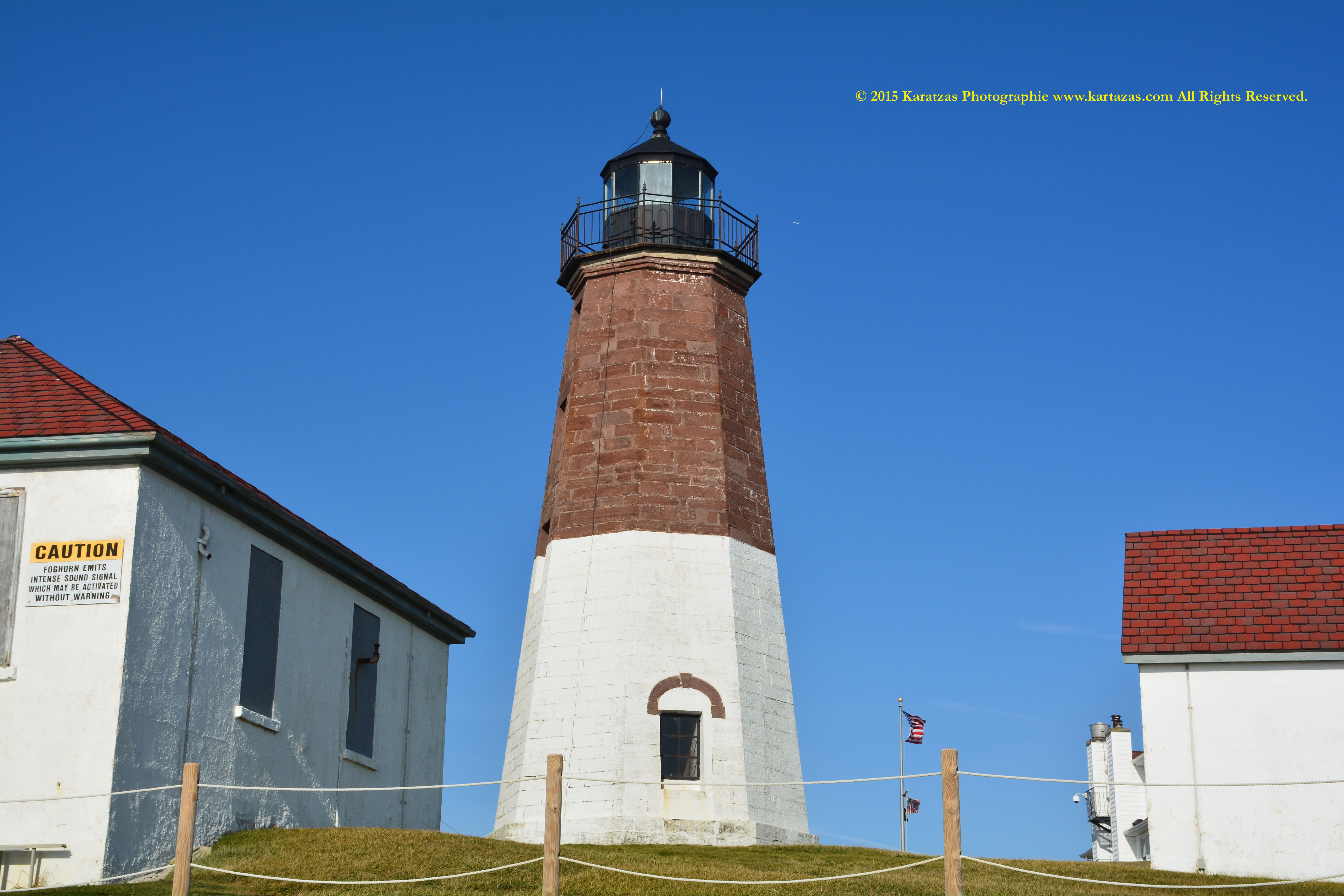
The treacherous waters and rocky shoreline was the scene of many shipwrecks in the 19th century. In an effort to protect mariners, William Ellery, a signer of the Declaration of Independence, established Point Judith Light in 1810. The Lighthouse was built of rough stone and was 35 feet high. The original lighthouse was destroyed in the hurricane of September 1815 and was rebuilt in 1816. To further protect shipping, a life saving station was established in July of 1875. Point Judith Station is the oldest station, on a continuous location, in the Coast Guard Sector Southeastern New England area of operation. It was one of the five original life saving stations that protected shipping on the southern shores surrounding Rhode Island. The station was manned by regularly employed Surfmen and was equipped with lifeboat and breeches buoy apparatus. So successful was this, that a new and larger station was built in 1882 to accommodate newer equipment and a larger crew. In September of 1933, the station was gutted by fire and then replaced with the present building in 1937. The destructive hurricane of 1938 destroyed the boathouse near Breakwater Village. A new boathouse was constructed in 1940 at Galilee. The present light was built in 1857. The tower is octagonal with the upper half painted brown and the lower half painted white. It’s 51 feet above ground and 65 feet above sea level and has a visibility of 16 NM on a clear day. Point Judith was very active during World War II and just two days prior to the end of the war (in Europe) assisted in the rescue of the steam collier “Black Point” which was torpedo four miles off the point.


Location Narragansett, Rhode Island
Year first constructed 1810
Year first lit 1857
Automated 1954
Foundation Granite blocks
Construction Granite blocks
Tower shape Octagonal conical
Markings / pattern Lower half, white
upper half, brown
Black lantern
Height 51 feet (16 m)
Focal height 65 feet (20 m)
Original lens Fourth order Fresnel lens
Current lens original
Range 16 nautical miles (30 km; 18 mi)
Characteristic Occulting 3 white 15 seconds
5s on, 2s off; 2s on, 2s off; 2s on, 2s off
Fog signal Horn, 1 blast every 15 seconds
Admiralty number J0628
ARLHS number USA-625
USCG number 1-19450


Lighthouse Point Judith 1

Built in 1857, of granite and in octagonal conical shape, with a brown upper and white lower half as distinctive daymark, Point Judith Light marking the west entrance to Narragansett Bay, Rhode Island. http://www.karatzas.com

Lighthouse Point Judith 2

Built in 1857, of granite and in octagonal conical shape, with a brown upper and white lower half as distinctive daymark, Point Judith Light marking the west entrance to Narragansett Bay, Rhode Island. http://www.karatzas.com

Lighthouse Point Judith 3

Built in 1857, of granite and in octagonal conical shape, with a brown upper and white lower half as distinctive daymark, Point Judith Light marking the west entrance to Narragansett Bay, Rhode Island. http://www.karatzas.com

Lighthouse Point Judith 4

Built in 1857, of granite and in octagonal conical shape, with a brown upper and white lower half as distinctive daymark, Point Judith Light marking the west entrance to Narragansett Bay, Rhode Island. http://www.karatzas.com

Lighthouse Point Judith 5

Built in 1857, of granite and in octagonal conical shape, with a brown upper and white lower half as distinctive daymark, Point Judith Light marking the west entrance to Narragansett Bay, Rhode Island. http://www.karatzas.com

Lighthouse Point Judith 6

Built in 1857, of granite and in octagonal conical shape, with a brown upper and white lower half as distinctive daymark, Point Judith Light marking the west entrance to Narragansett Bay, Rhode Island. http://www.karatzas.com

Lighthouse Point Judith 7

Built in 1857, of granite and in octagonal conical shape, with a brown upper and white lower half as distinctive daymark, Point Judith Light marking the west entrance to Narragansett Bay, Rhode Island. http://www.karatzas.com

Lighthouse Point Judith 8

Built in 1857, of granite and in octagonal conical shape, with a brown upper and white lower half as distinctive daymark, Point Judith Light marking the west entrance to Narragansett Bay, Rhode Island. http://www.karatzas.com

Lighthouse Point Judith 9

Built in 1857, of granite and in octagonal conical shape, with a brown upper and white lower half as distinctive daymark, Point Judith Light marking the west entrance to Narragansett Bay, Rhode Island. http://www.karatzas.com

Lighthouse Point Judith 10

Built in 1857, of granite and in octagonal conical shape, with a brown upper and white lower half as distinctive daymark, Point Judith Light marking the west entrance to Narragansett Bay, Rhode Island. http://www.karatzas.com

Lighthouse Point Judith 11

Built in 1857, of granite and in octagonal conical shape, with a brown upper and white lower half as distinctive daymark, Point Judith Light marking the west entrance to Narragansett Bay, Rhode Island. http://www.karatzas.com

Lighthouse Point Judith 12

Built in 1857, of granite and in octagonal conical shape, with a brown upper and white lower half as distinctive daymark, Point Judith Light marking the west entrance to Narragansett Bay, Rhode Island. http://www.karatzas.com


© 2013-2015 Basil M Karatzas & Karatzas Marine Advisors & Co.  All Rights Reserved.

IMPORTANT DISCLAIMERS:  Vessel description is provided in good faith and is believed to be correct and accurate but no assurances, warranties or representations are made herewith. Vessel description is provided for entertainment  purposes only. We have no responsibility whatsoever for any errors / omissions in vessel description.

Access to this blog signifies the reader’s irrevocable acceptance of this disclaimer. No part of this blog can be reproduced by any means and under any circumstances, whatsoever, in whole or in part, without proper attribution or the consent of the copyright and trademark holders of this website. Whilst every effort has been made to ensure that information herewithin has been received from sources believed to be reliable and such information is believed to be accurate at the time of publishing, no warranties or assurances whatsoever are made in reference to accuracy or completeness of said information, and no liability whatsoever will be accepted for taking or failing to take any action upon any information contained in any part of this website.  Thank you for the consideration.

Concord Point Light

Images of Concord Lighthouse (Havre de Grace, Maryland)

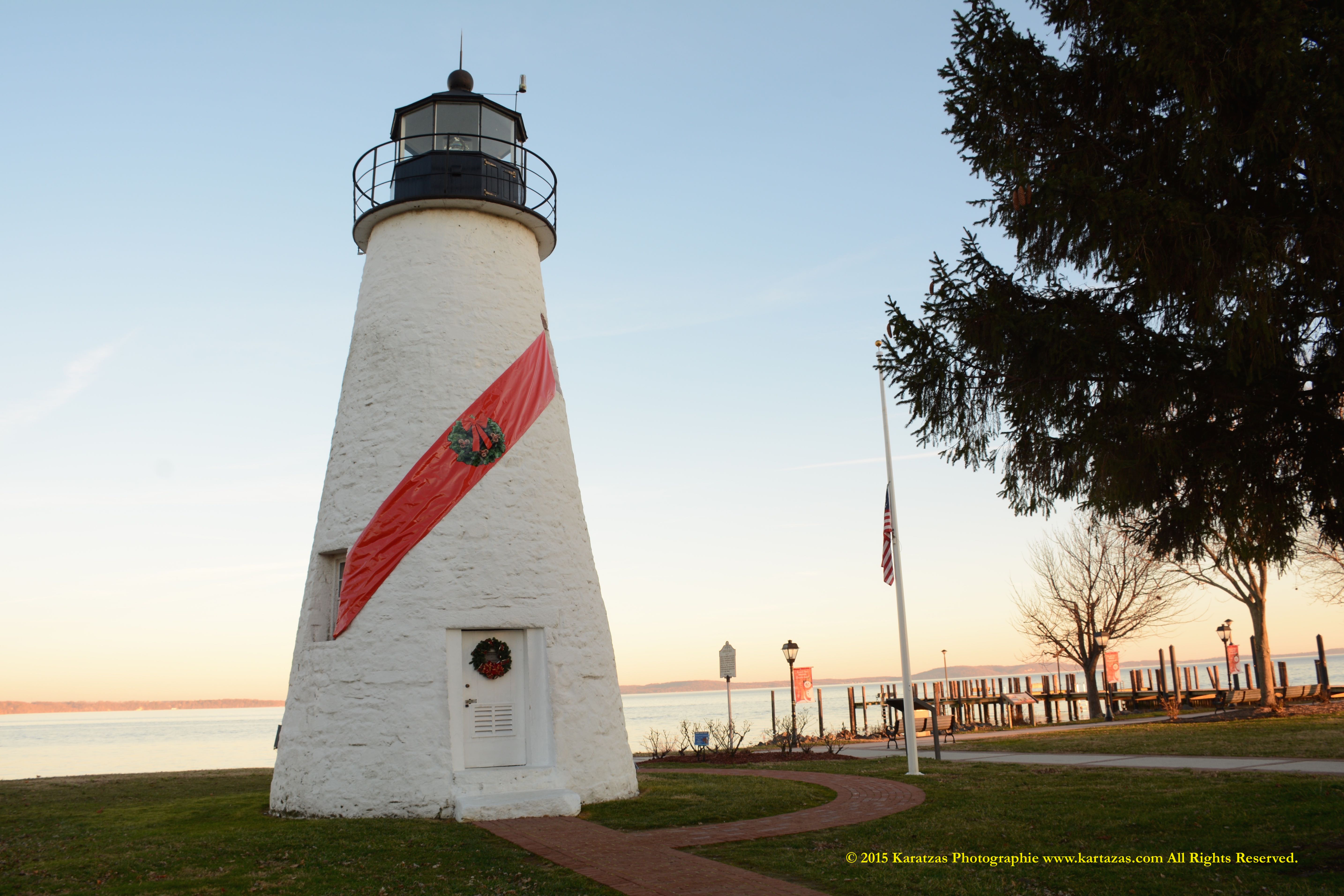
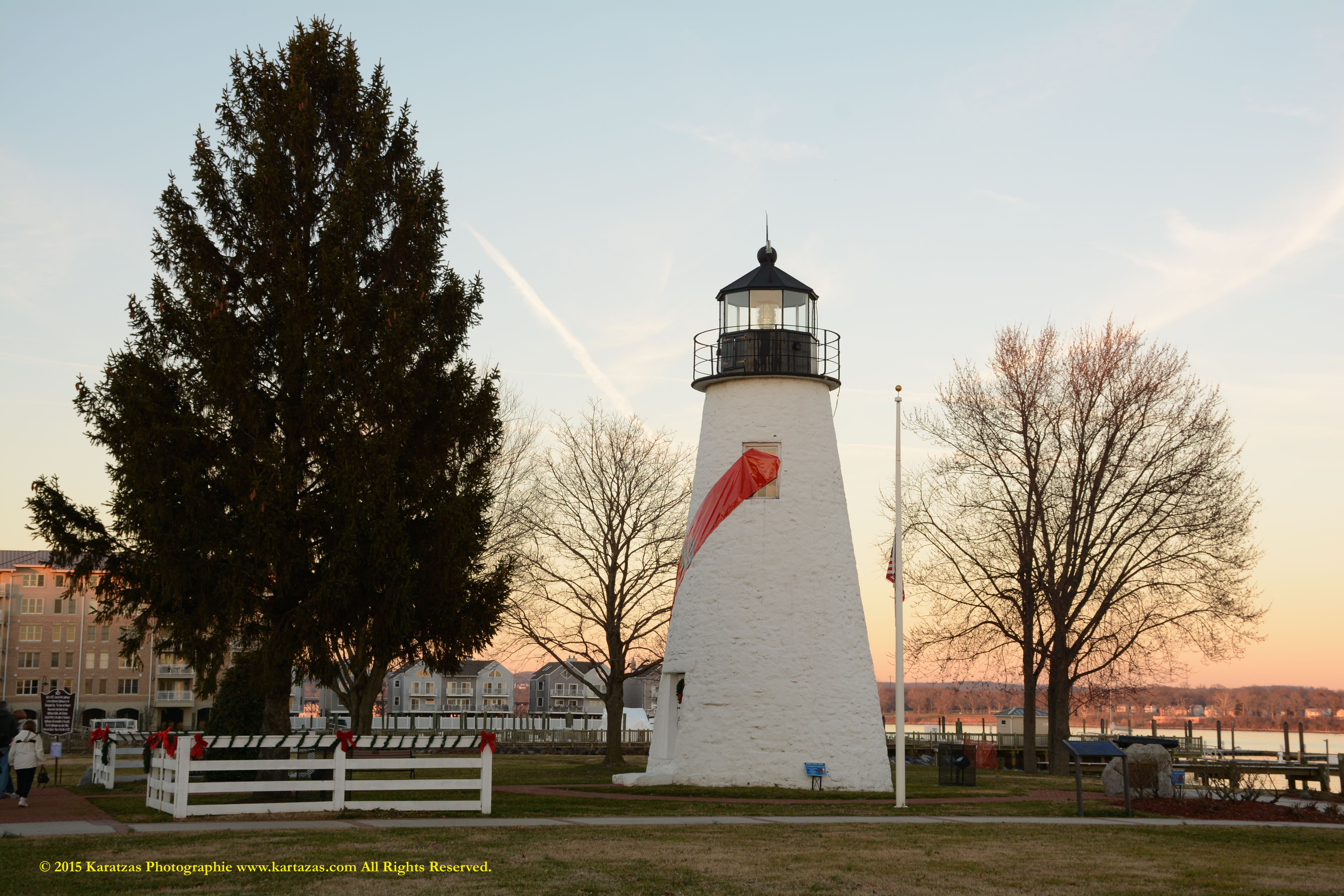
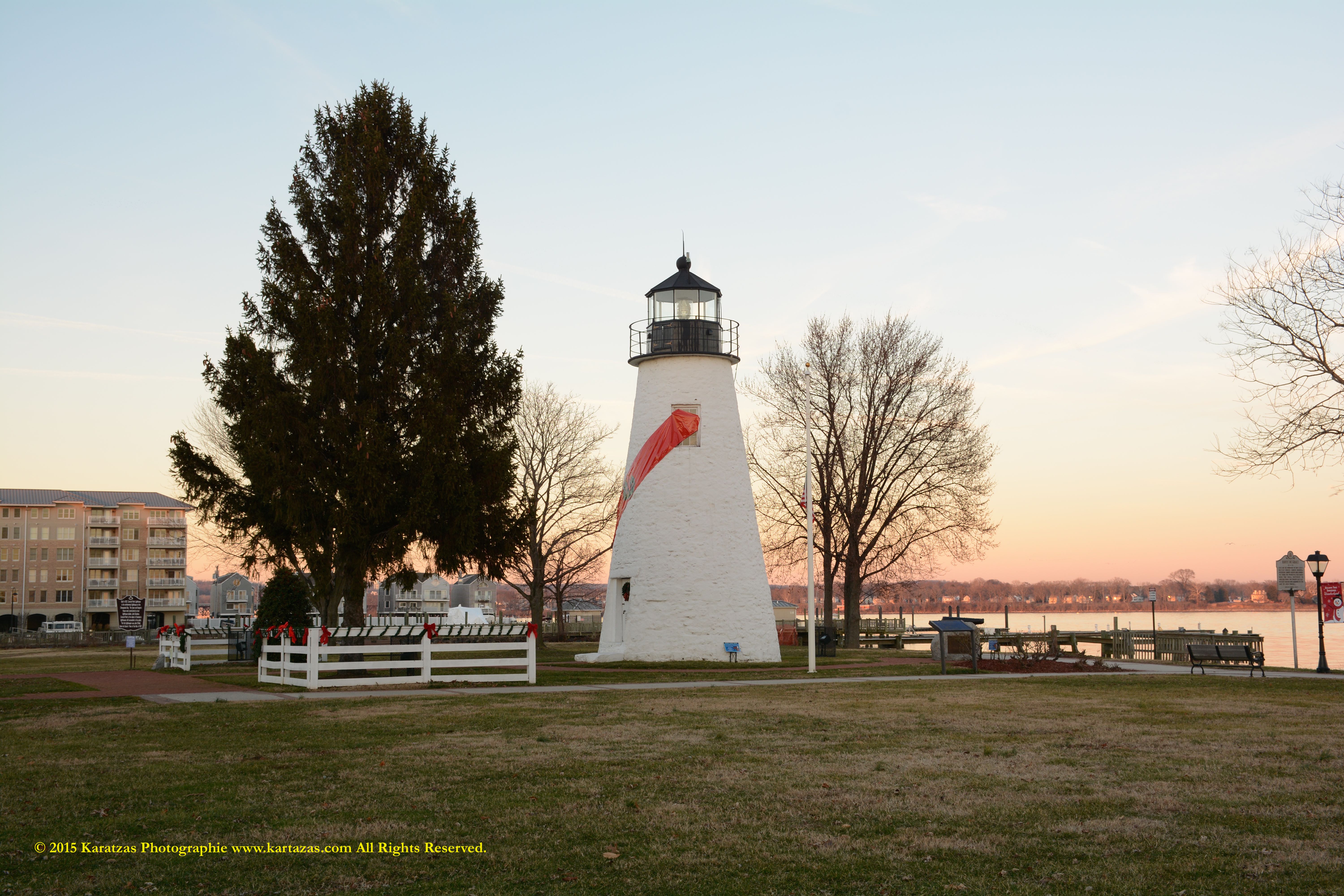
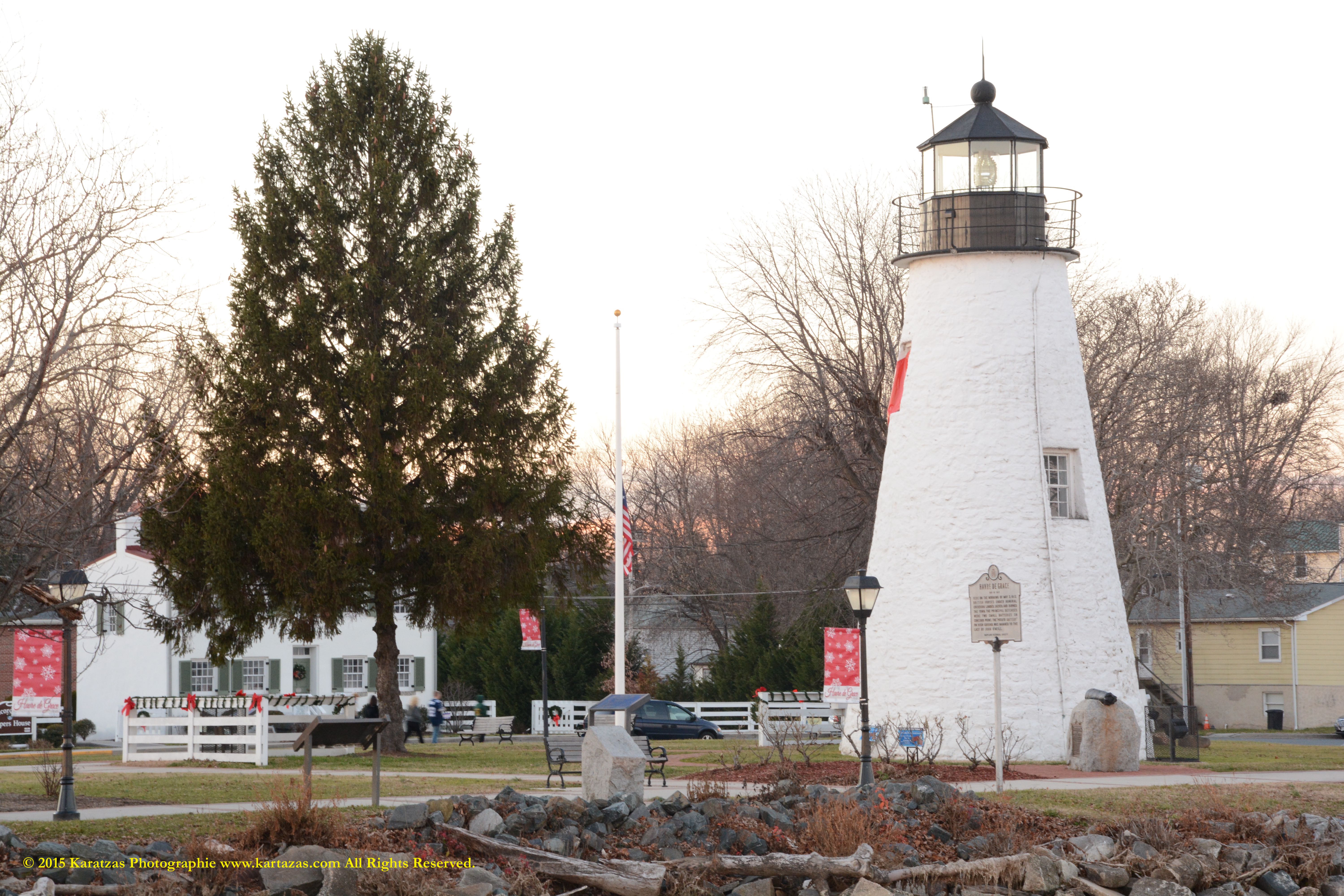
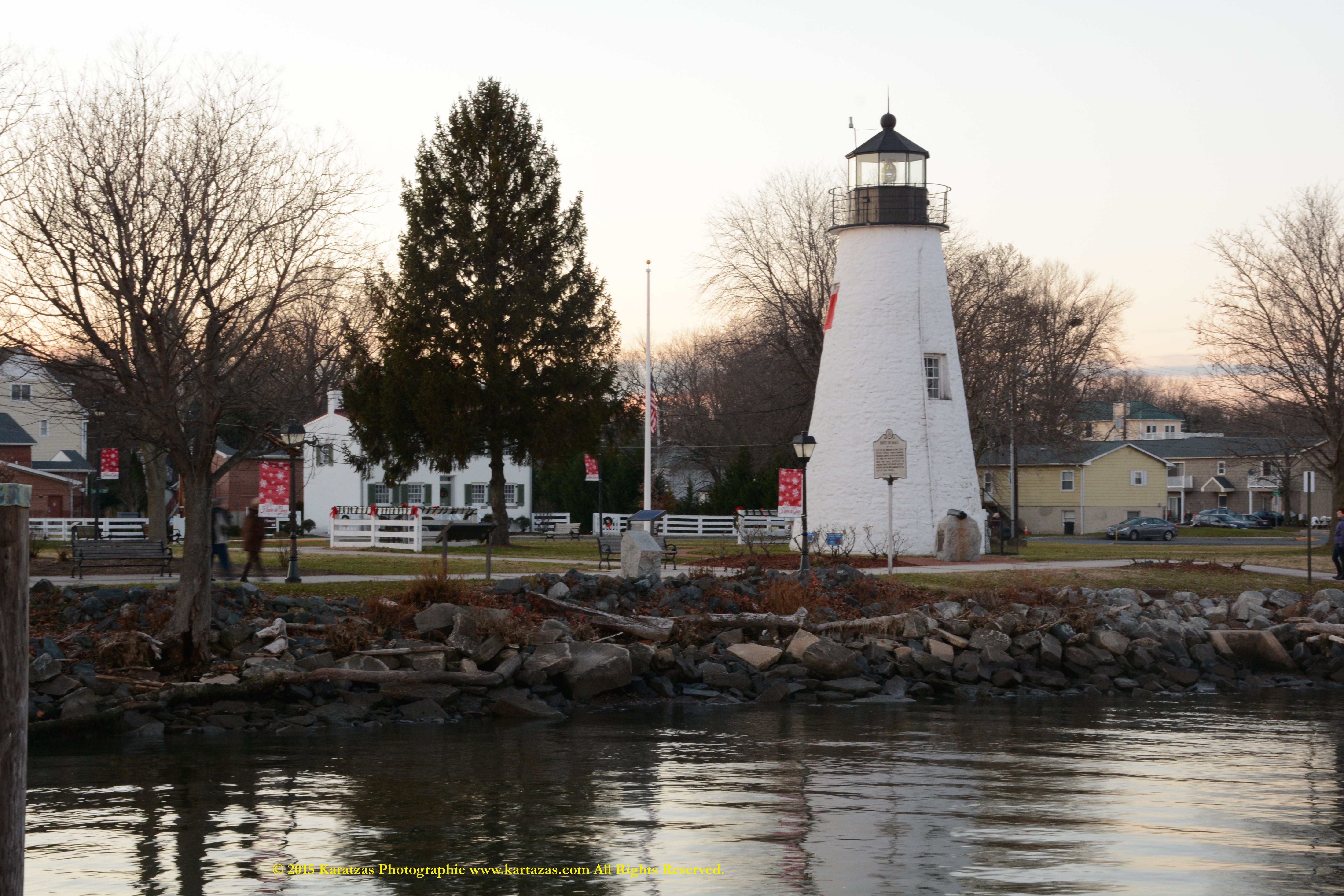
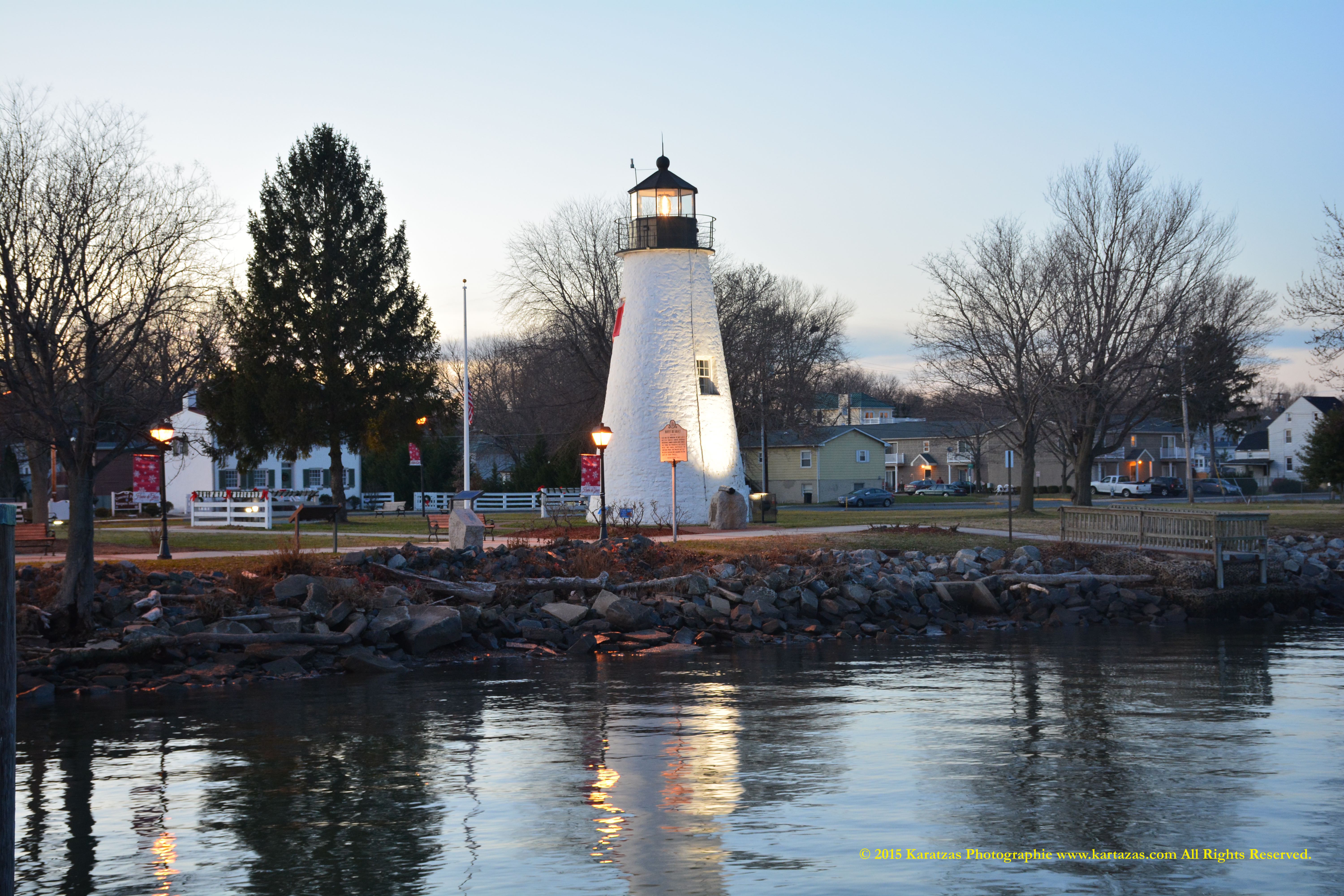
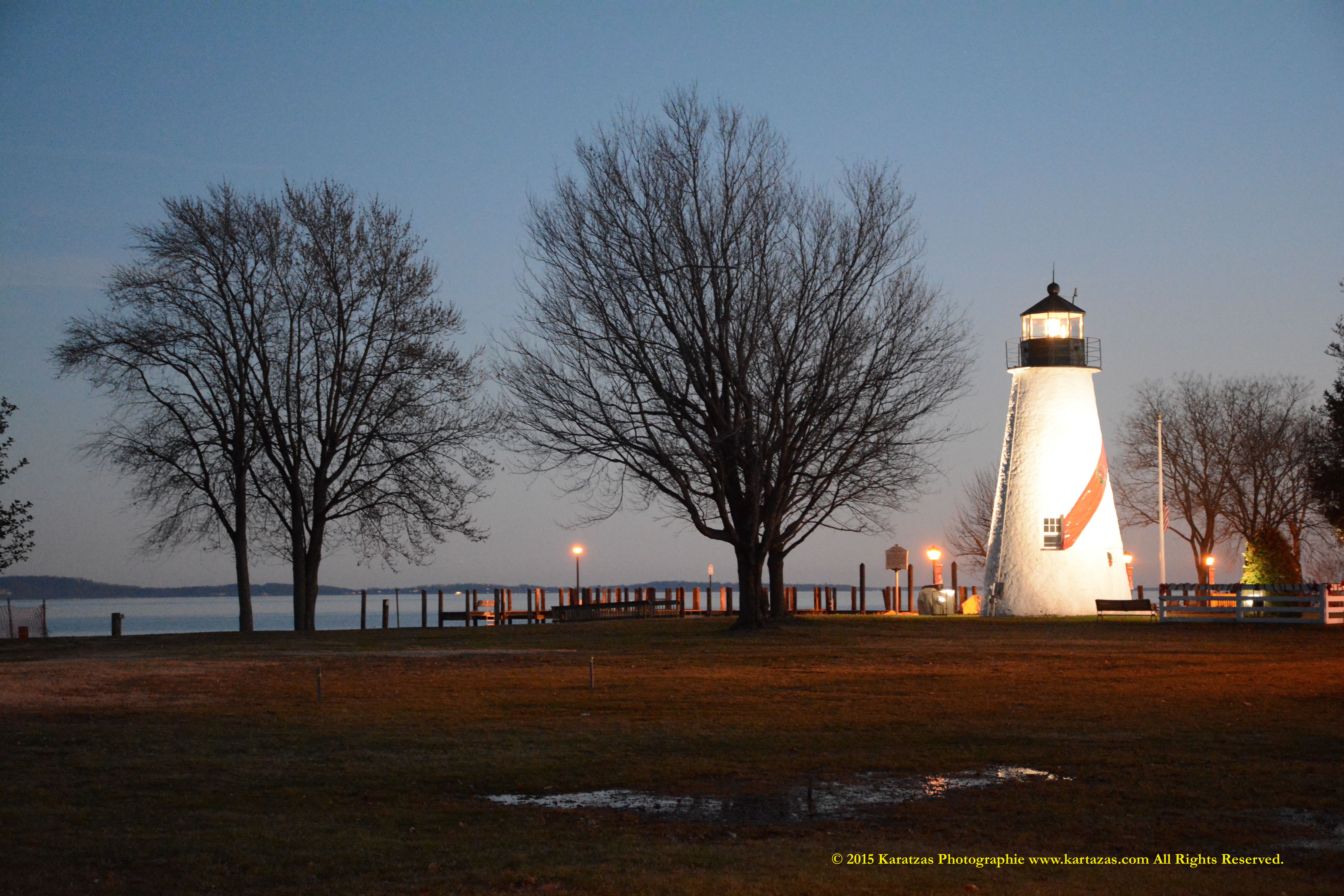
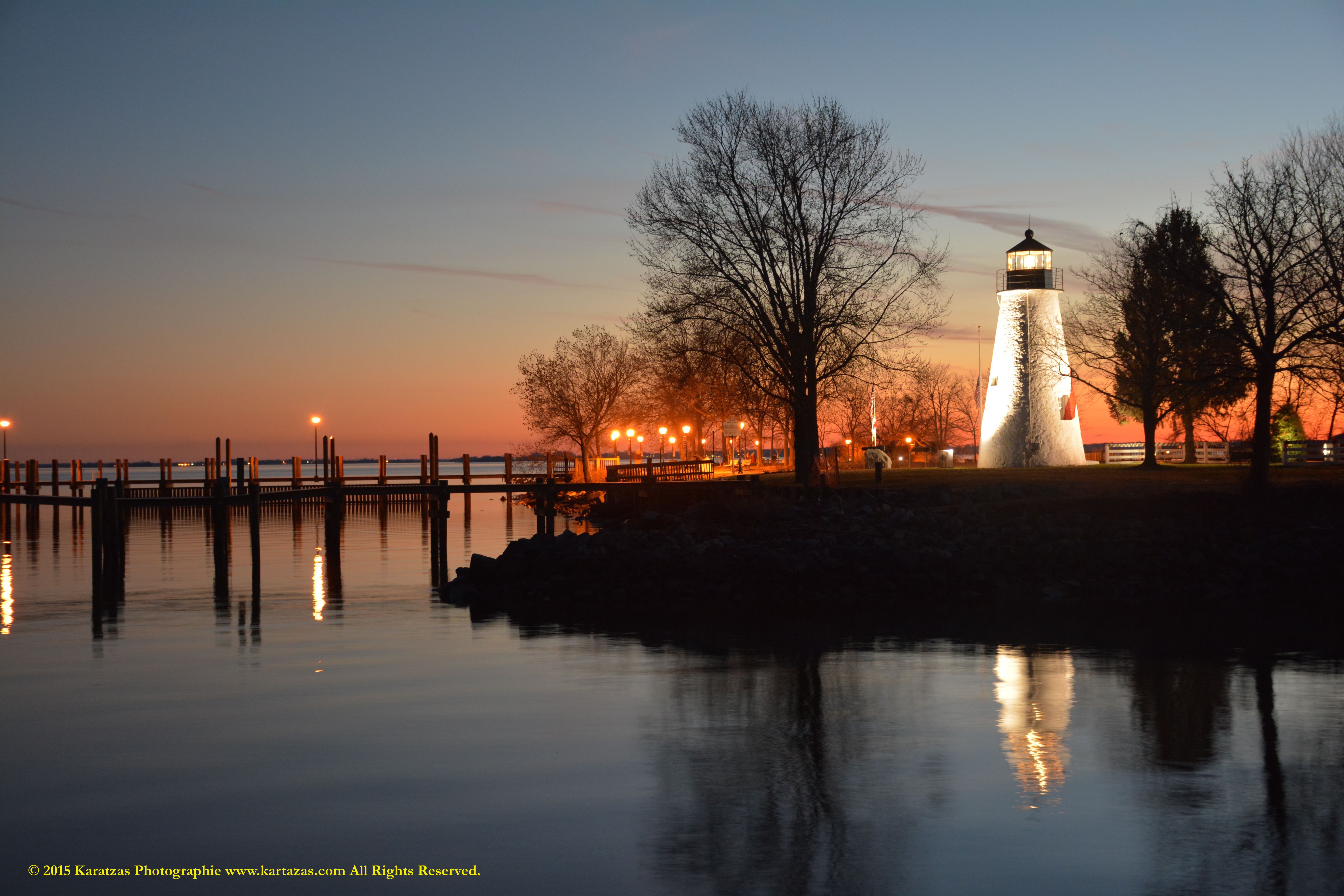
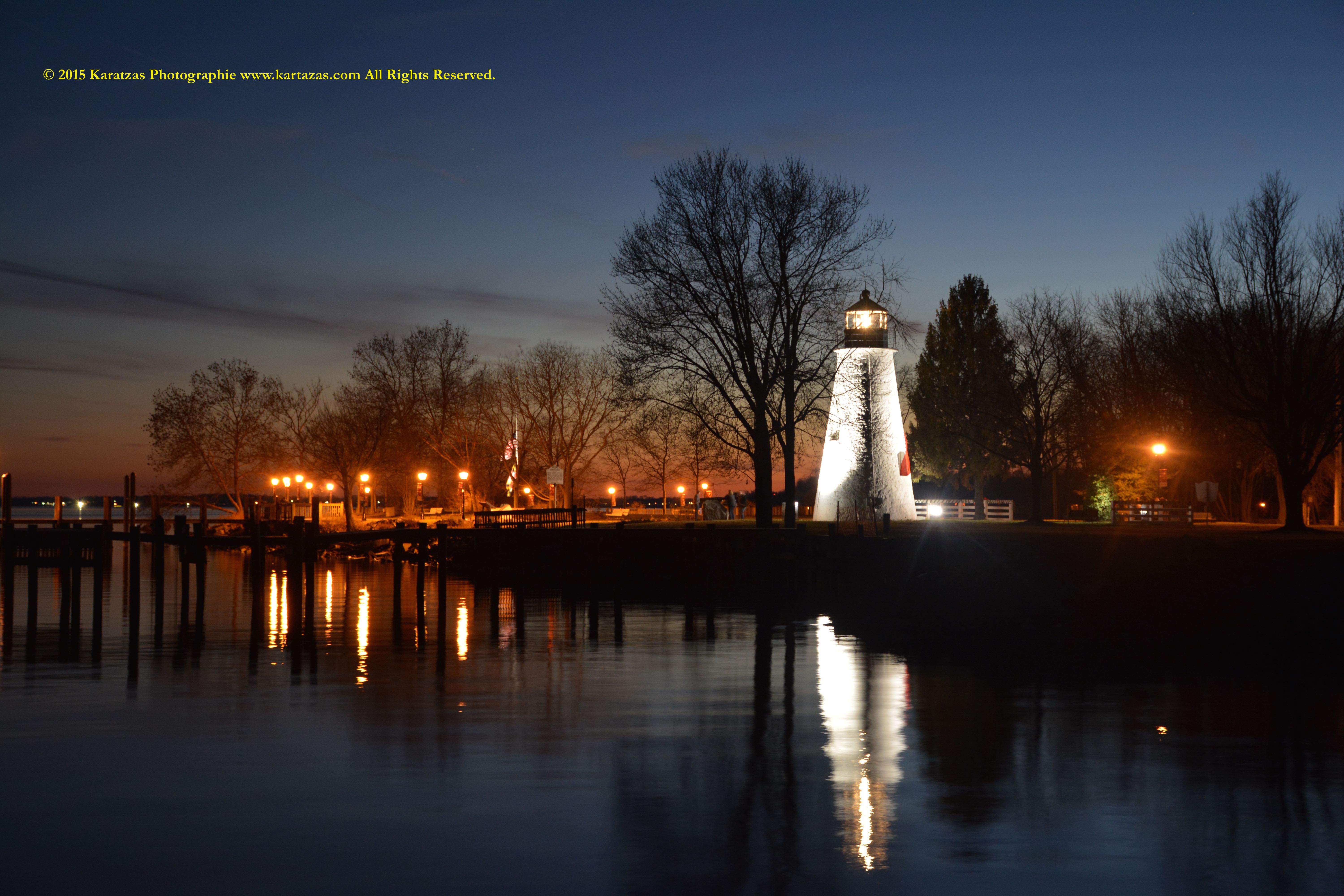
Concord Point Light (lighthouse) is located in Havre de Grace, Maryland, overlooking the point where the Susquehanna River flows into the Chesapeake Bay (the northernmost lighthouse on the Chesapeake Bay). Concord Point Lighthouse was established to warn seafaring vessels away from the treacherous currents and shoals near the mouth of the Susquehanna River, an area of increasing navigational traffic at the time it was constructed in 1827. Master builder John Donahoo, a-multiple-terms Havre de Grace town commissioner, was responsible for the construction of the lighthouse in his hometown. At the time of its de-commissioning in 1975, Concord Point Lighthouse had the distinction of being the oldest beacon in continuous use in Maryland. The name Concord Point is derived from ‘Conquered Point’, which is itself a rearrangement of the original christening, ‘Point of Conquest’.

CONCORD POINT LIGHT QUICK FACTS                                                                         * Second oldest lighthouse in Maryland (built 1827)                                                             * Northern-most lighthouse on the Chesapeake Bay                                                            * 30-foot tower painted white with metal lantern painted black                                            * Built of local Port Deposit granite                                                                                       * Tower walls are 3 feet thick at the base, 18 inches at the top                                             * Fifth Order Fresnels lens                                                                                                     * 27 granite steps, 8-rung iron ladder to lantern                                                                    * Original tongue and groove mahogany door and lock                                                        * First keeper was John O’Neill, hero of the War of 1812                                                      * Automated in 1920                                                                                                             * Decommissioned in 1975; oldest light in continuous service at that time                           * Keeper’s Dwelling built in 1827 of local granite, 200 feet from the tower

LIGHTHOUSE DESCRIPTION                                                                                Concord Point Light is a 36-ft tall (11 m) tower that was built in 1827. It is the oldest lighthouse in Maryland that is accessible to the public and the second oldest tower lighthouse still standing on the Chesapeake Bay (Pooles Island Light (built 2 years earlier) is within Aberdeen Proving Ground but off-limits). Both lighthouses are very similar, built by John Donahoo from the local granite construction to the mahogany doors.

The original Keeper’s Dwelling still exists at Concord Point and has been fully restored to its 1884 version.

The lighthouse, a truncated conical tower topped by a lantern and deck, was built with Port Deposit granite, barged down the Susquehanna River. The walls are 31 inches (790 mm) thick at the base and narrow to 18 inches (460 mm) at the parapet. John Donahoo also built the keeper’s house across the street.

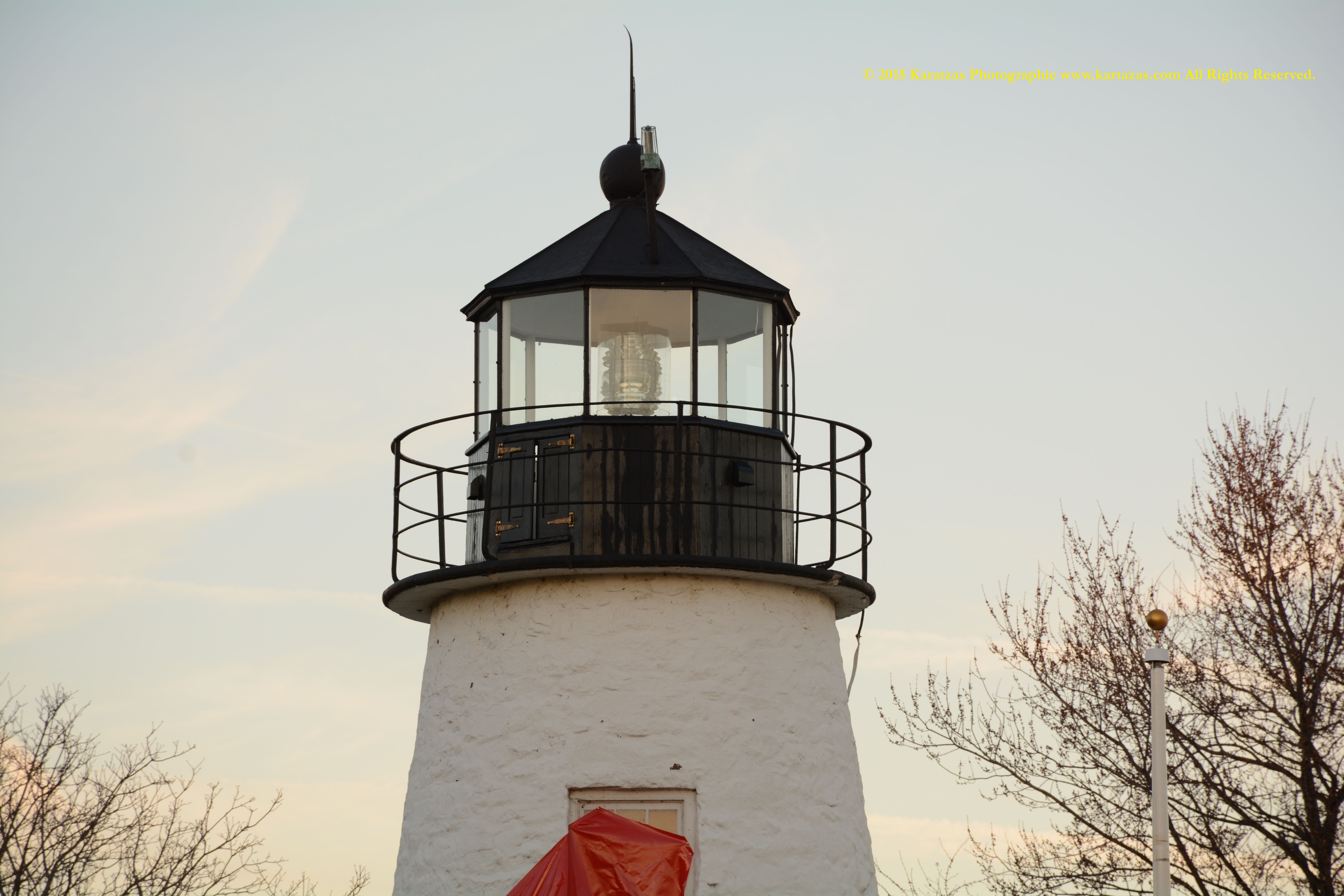
The lantern was originally lit with 9 whale oil lamps with 16-inch (410 mm) tin reflectors. In 1854, a sixth-order Fresnel lens was installed. This was later upgraded to a fifth-order Fresnel lens. The lighthouse was automated in 1920.

The 484-square-foot lighthouse tract was deeded to the federal government by the town commissioners in 1826, and on May 18 of that year Congress provided $2,500 for the lighthouse and added $1,500 to this amount on March 2, 1827. The tower’s walls are three feet, three inches thick at the base, where the inside diameter of the tower is eleven feet, and taper to a thickness of one-and-a-half-feet at the lantern room. A tongue and groove mahogany door, identical to one used at Pooles Island light, originally guarded the entrance-way, while a spiral staircase made of triangular granite steps leads to a quarter-circular stone landing, from which the lantern may be accessed by climbing a slightly angled iron ship’s ladder. The lantern floor is composed of radially cut stone pieces, which are held in place by flat iron keys. The storm panels on the lantern are secured by iron mullions cast in an unusual fin shape. The original illuminating apparatus consisted of multiple lamps, each with its own sixteen-inch reflector.

BACKGROUND HISTORY                                                                                                 In the nation’s early years, waterways provided the only means of effective transportation and communication. In 1789, Congress made aids to navigation, including lighthouses, the responsibility of the federal government instead of individual states. Cape Henry and other Virginia locations on the Chesapeake received the first lighthouses. Finally in 1819, Congress authorized the first Maryland lights at the entrance to Baltimore Harbor. The next 2 lighthouses were authorized in 1824 for Thomas Point Bar (entrance to Annapolis) and Pooles Island (guiding ships to the Gunpowder River and points north). The next year, the federal government authorized construction of a lighthouse on Concord Point in Havre de Grace at the entrance to the Susquehanna River.

Stephen Pleasanton, 5th auditor of the Treasury, was responsible for all aids to navigation. He sent Naval officer William Barney to Havre de Grace to obtain property on Concord Point for the light station. Barney’s task proved to be difficult because valuable fisheries lined the river bank and no one would sell their land. Finally the town commissioners agreed to provide the end of Lafayette Street for the lighthouse, but the keeper’s house and garden would have to be some distance away. In 1826, the State of Maryland authorized the city to transfer the end of Lafayette Street to the federal government. In May of 1827 the federal government signed deeds for both the 22 foot square plot on the riverbank and a 1 acre parcel landside. This unusual arrangement meant the keeper’s quarters would be 200 feet from the lighthouse, a sizable distance in poor weather.

Local documents describe the lighthouse area as being “seriously blighted” by 1924, and apparently remained that way for many years. The lighthouse was decommissioned by the Coast Guard in 1975 and soon after that the lens was stolen. The structure was added to the National Register of Historic Places in 1976. Extensive restoration began in 1979, and is ongoing. The keeper’s house has been restored and is now open to the public as a museum.

A perusal of the Lighthouse Board’s annual reports reveals that Concord Point Lighthouse has been a relatively low-maintenance structure over the years. On May 10, 1855, a steamer’s lens replaced the nine constant-level lamps and reflectors used in the lantern room, and this in turn was upgraded to a sixth-order Fresnel lens in 1869, and then a fifth-order lens in 1891. The signature of the light was changed from fixed white to fixed red in in 1879, and then to fixed green in 1931.

In 1884, an extra story with four rooms was added to the keeper’s dwelling, providing better accommodations for Keeper Henry O’Neill and his family. The light was switched over to electrical operation in November 1918. Keeper O’Neill was scheduled to retire the following month, and he was allowed to remain in the house as a custodian. Following the passing of Keeper ’Neill , the dwelling was sold to Michael Fahey in 1920 for $4,000, and the structure was subsequently used as a rooming house, restaurant, and bar.

LIGHTHOUSE KEEPERS                                                                                                   * John O’Neill (1827 – 1838)                                                                                                * Thomas Courtney (1838 – 1841)                                                                                       * John Blaney (1841 – 1844)                                                                                                 * Thomas Courtney (1844 – 1849)                                                                                        * John Blaney (1849 – 1853)                                                                                                * Thomas Sutor (1853 – 1861)                                                                                             * John O’Neill, Jr. (1861 – 1863)                                                                                           * Esther O’Neill (1863 – 1881)                                                                                               * Henry E. O’Neill (1881 – 1918).

Over the years, the keepers of Concord Point Lighthouse were mostly descendants of John O’Neill, an Irish immigrant who arrived in America at the age eighteen. O’Neill achieved lasting fame during the War of 1812, when British ships commanded by Admiral Sir George Cockburn turned their guns on Havre de Grace. As a local militia lieutenant in charge of some four dozen men, O’Niell’s mission was to hold a small parapet of three cannons named Potato Battery. Many of O’Neill’s soldiers were too old to serve in the regular United States Army, and when the British opened fire they all quickly abandoned their posts. O’Neill declined to join his retreating men, and heroically took charge of one of the cannons himself. He later described the experience: “The grape shot flew thick about me. I loaded the gun myself without anyone to serve the vent, which, you know is very dangerous, and when I fired her, she recoiled and ran over my thigh.” Shortly thereafter O’Neill was forced to retreat into town; nevertheless he procured a musket and continued to fire on the ships, all the while trying to entice the fleeing members of his troop to return and assist him. O’Neill was eventually captured by the British and sentenced to be hanged aboard one of their ships, prompting his fifteen-year-old daughter to reportedly row out in a skiff and plead for her father’s life. Admiral Cockburn was so impressed by her courage that he released O’Neill and gave the Irishman’s daughter a gold and tortoise-shell snuff box, which is presently in the keeping of the Maryland Historical Society.

O’Neill managed to parlay his heroic stature into a town commissioner’s position in Havre de Grace. He also managed another political appointment: first lighthouse keeper at Concord Point. At the time, the appointment of keepers was a very politicized process, with the coveted jobs usually going to veterans and those well connected to powerful decision makers. O’Neill stayed on the job from 1827 until his death in 1838. Following O’Neill, Thomas Courtney and John Blaney each served two terms as keeper until Thomas Sutor took charge of the light in 1853. John O’Neill, Jr. succeeded Keeper Sutor in 1861 and served until his death in 1863, at which time his wife Esther assumed responsibility for the light. During a portion of the eighteen years she was in charge of the light, Esther was assisted by Gabriel Evans, her son-in-law. Henry E. O’Neill became keeper of the light after his mother resigned in 1881 and served until his death in 1919.

MODERN HISTORY                                                                                                    During World War I, the Lighthouse Service encouraged its personnel to grow gardens and purchase liberty bonds to support the war effort, and in 1918, seventy-seven-year-old Henry O’Neill used $300 he had saved for funeral expenses for himself and his wife to purchase bonds. A letter mentioning O’Neill’s sacrifice reached President Woodrow Wilson, to which he replied, “The inclosed letter is not only interesting but touching, and I am cheered to have seen it.”

The lighthouse and keeper’s house are maintained by The Friends of Concord Point Lighthouse. Both the tower and keeper’s house are open to visitors. The grounds are open year-round.

Concord Point Lighthouse was decommissioned in 1975, and shortly thereafter the Fresnel lens mysteriously disappeared from the tower. Some insist that the present lens, on loan from the Coast Guard and the Chesapeake Bay Maritime Museum, is in fact the original one that disappeared in 1975. Concord Point Lighthouse is currently listed as a private aid to navigation, exhibiting a light from its fifth-order Fresnel lens.

A group of concerned citizens formed the non-profit the Friends of Concord Point Lighthouse in 1979 to restore and maintain the structure. The tower was restored in 1981, and in 1983 a fifth-order Fresnel lens, on loan from the Coast Guard, was mounted in the lantern room.

The Friends of Concord Point Lighthouse helped turn the lighthouse grounds into a tree-lined park, which attracts thousands of visitors each year. The grounds were in the past open and grassy, without many sizable trees, and Havre de Grace town records indicate that portions of the grounds behind the keeper’s dwelling were initially swampy, requiring John O’Neill to fill them in using a horse and cart.

In 1988, the non-profit group turned its attentions to the keeper’s house, after the state acquired the property that year and turned it over to the city. As the dwelling had been significantly altered during its lifetime, the Friends commissioned a study of the house’s history and original architecture, which was a vital step given the Maryland Historic Trust’s very strict standards for restorations. Between 1988 and 1997, the structure was stabilized and modern additions were demolished, and then between 2002 and 2004, the interior of the dwelling was restored. A before and after photograph of the dwelling show the remarkable job the Friends have done. Visitors to the lighthouse and dwelling are now afforded a glimpse into the everyday lives of lighthouse keepers and their families, circa the late 1800s.


Lighthouse Concord Point 1

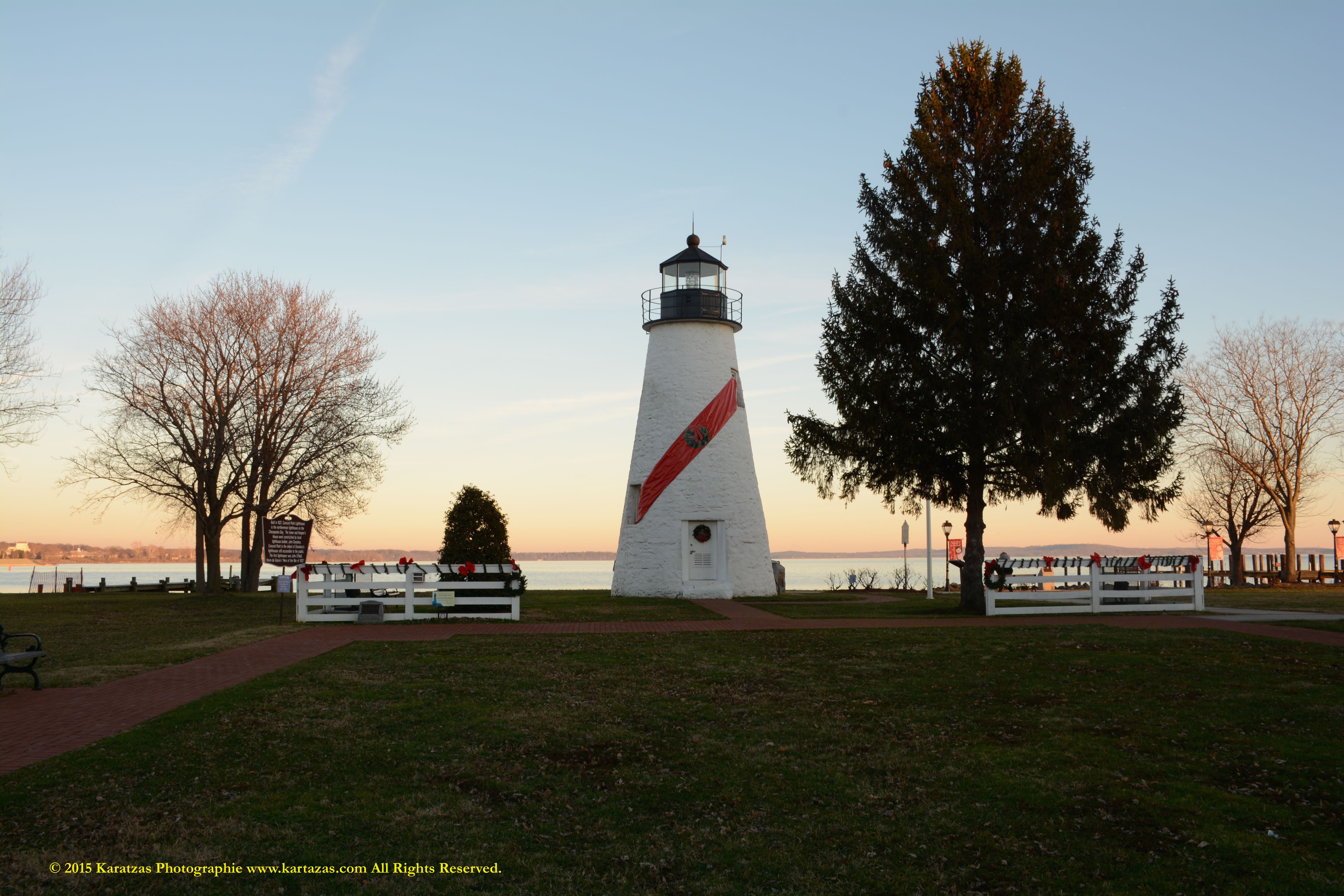
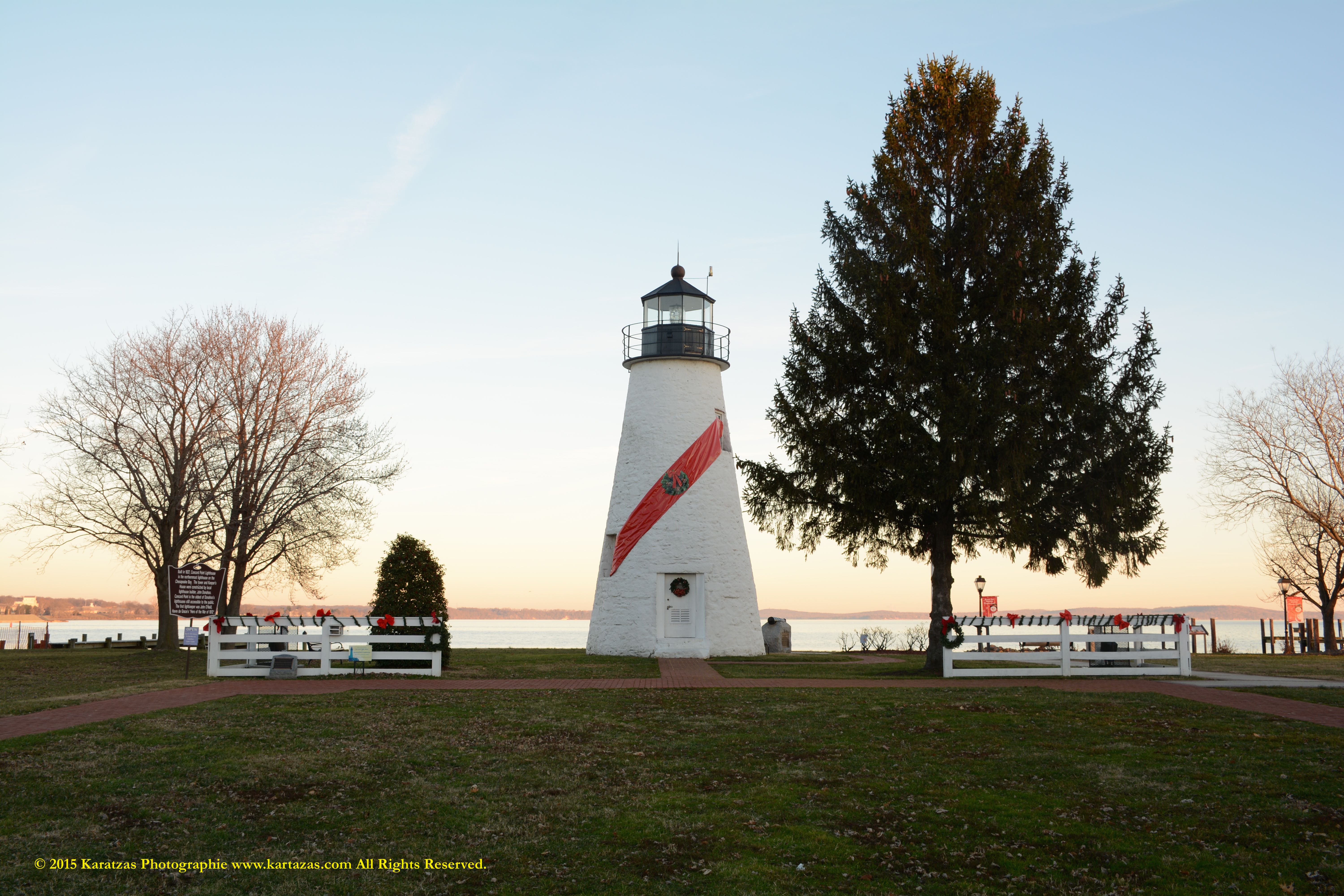
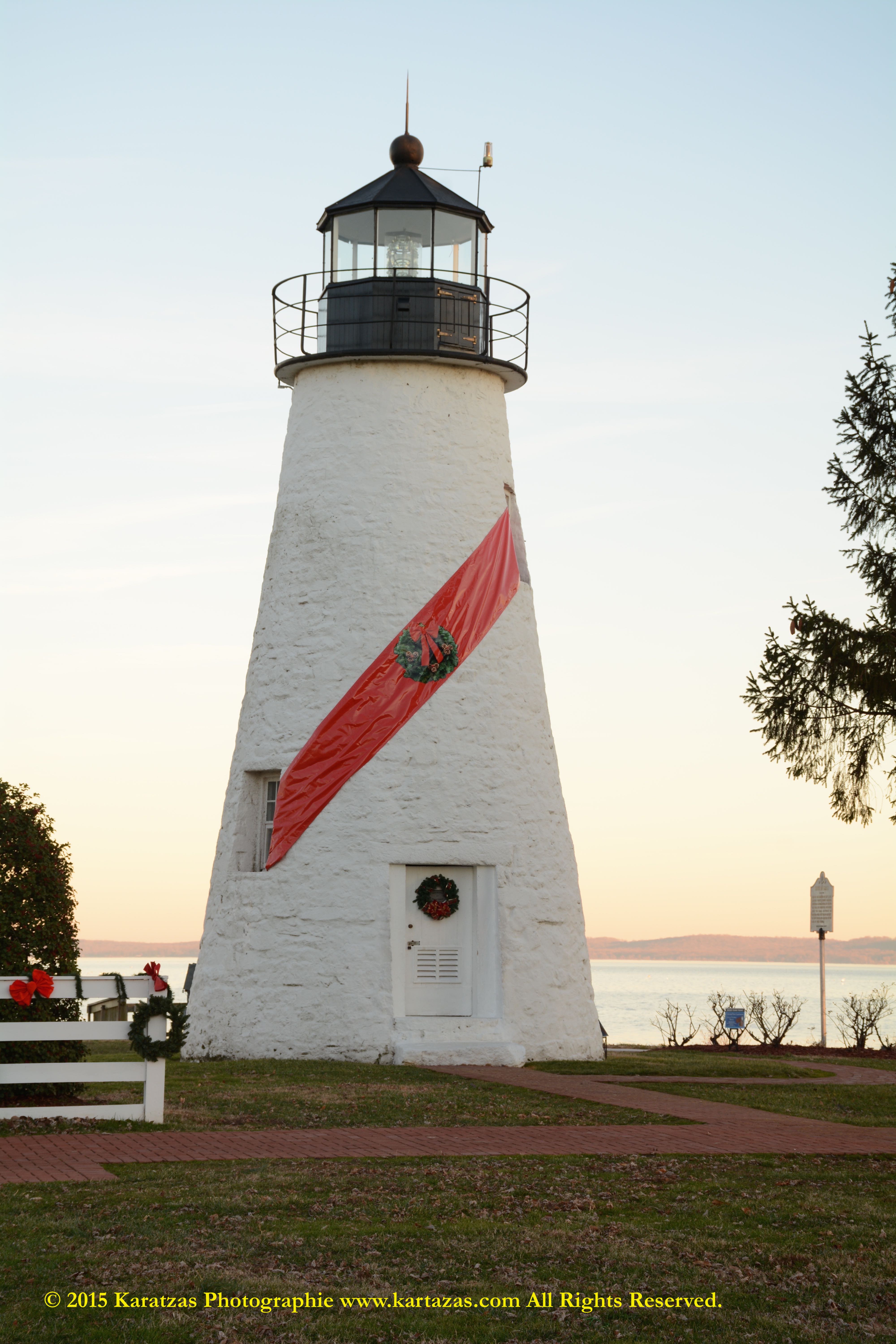
Concord Point Light – Lighthouse built of granite (11m tall) in 1827 and positioned in Chesapeake Bay, Maryland. Image Credit: Karatzas Images

Lighthouse Concord Point 2

Concord Point Light – Lighthouse built of granite (11 m tall, originally lit with nine whale lamps) in 1827 and positioned in Chesapeake Bay, Maryland. Image Credit: Karatzas Images

Lighthouse Concord Point 3

Concord Point Light – Lighthouse built of granite (11 m tall, originally lit with nine whale lamps) in 1827 and positioned in Chesapeake Bay, Maryland. Image Credit: Karatzas Images

Lighthouse Concord Point 4

Concord Point Light – Lighthouse built of granite (11 m tall, originally lit with nine whale lamps) in 1827 and positioned in Chesapeake Bay, Maryland. Image Credit: Karatzas Images

Lighthouse Concord Point 5

Concord Point Light – Lighthouse built of granite (11 m tall, originally lit with nine whale lamps) in 1827 and positioned in Chesapeake Bay, Maryland. Image Credit: Karatzas Images

Lighthouse Concord Point 6

Concord Point Light – Lighthouse built of granite (11 m tall, originally lit with nine whale lamps) in 1827 and positioned in Chesapeake Bay, Maryland. Image Credit: Karatzas Images

Lighthouse Concord Point 7

Concord Point Light – Lighthouse built of granite (11 m tall, originally lit with nine whale lamps) in 1827 and positioned in Chesapeake Bay, Maryland. Image Credit: Karatzas Images

Lighthouse Concord Point 8

Concord Point Light – Lighthouse built of granite (11 m tall, originally lit with nine whale lamps) in 1827 and positioned in Chesapeake Bay, Maryland. Image Credit: Karatzas Images

Lighthouse Concord Point 9

Concord Point Light – Lighthouse built of granite (11 m tall, originally lit with nine whale lamps) in 1827 and positioned in Chesapeake Bay, Maryland. Image Credit: Karatzas Images

Lighthouse Concord Point 10

Concord Point Light – Lighthouse built of granite (11 m tall, originally lit with nine whale lamps) in 1827 and positioned in Chesapeake Bay, Maryland. Image Credit: Karatzas Images

Lighthouse Concord Point 11

Concord Point Light – Lighthouse built of granite (11 m tall, originally lit with nine whale lamps) in 1827 and positioned in Chesapeake Bay, Maryland. Image Credit: Karatzas Images

Lighthouse Concord Point 12

Concord Point Light – Lighthouse built of granite (11 m tall, originally lit with nine whale lamps) in 1827 and positioned in Chesapeake Bay, Maryland. Image Credit: Karatzas Images

Lighthouse Concord Point 13

Concord Point Light – Lighthouse built of granite (11 m tall, originally lit with nine whale lamps) in 1827 and positioned in Chesapeake Bay, Maryland. Image Credit: Karatzas Images


© 2013-2015 Basil M Karatzas & Karatzas Marine Advisors & Co.  All Rights Reserved.

IMPORTANT DISCLAIMERS:  Vessel description is provided in good faith and is believed to be correct and accurate but no assurances, warranties or representations are made herewith. Vessel description is provided for entertainment  purposes only. We have no responsibility whatsoever for any errors / omissions in vessel description.

Access to this blog signifies the reader’s irrevocable acceptance of this disclaimer. No part of this blog can be reproduced by any means and under any circumstances, whatsoever, in whole or in part, without proper attribution or the consent of the copyright and trademark holders of this website. Whilst every effort has been made to ensure that information herewithin has been received from sources believed to be reliable and such information is believed to be accurate at the time of publishing, no warranties or assurances whatsoever are made in reference to accuracy or completeness of said information, and no liability whatsoever will be accepted for taking or failing to take any action upon any information contained in any part of this website.  Thank you for the consideration.

Lighthouse ‘Overfalls’

IMAGES OF LIGHTSHIP ‘OVERFALLS’

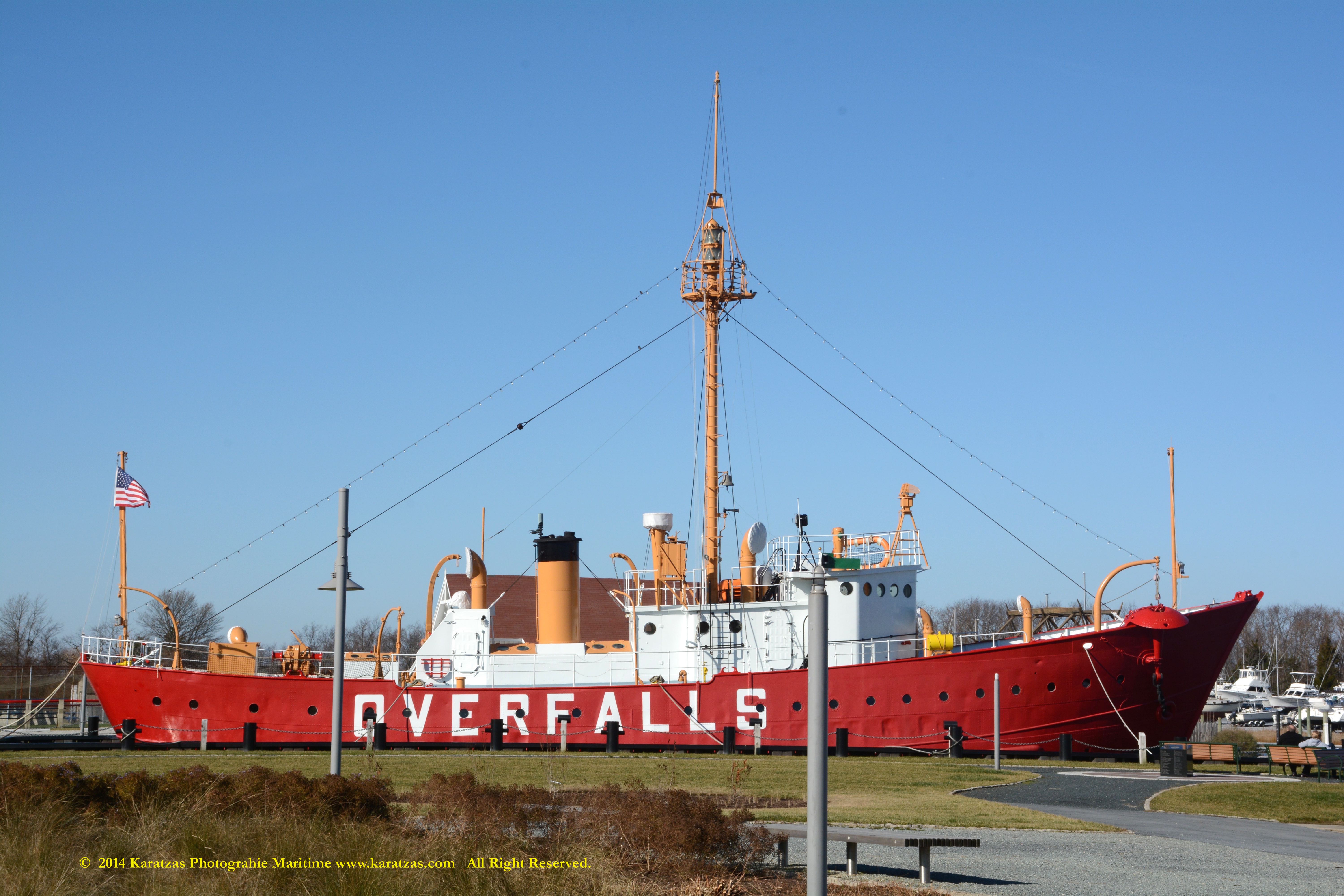
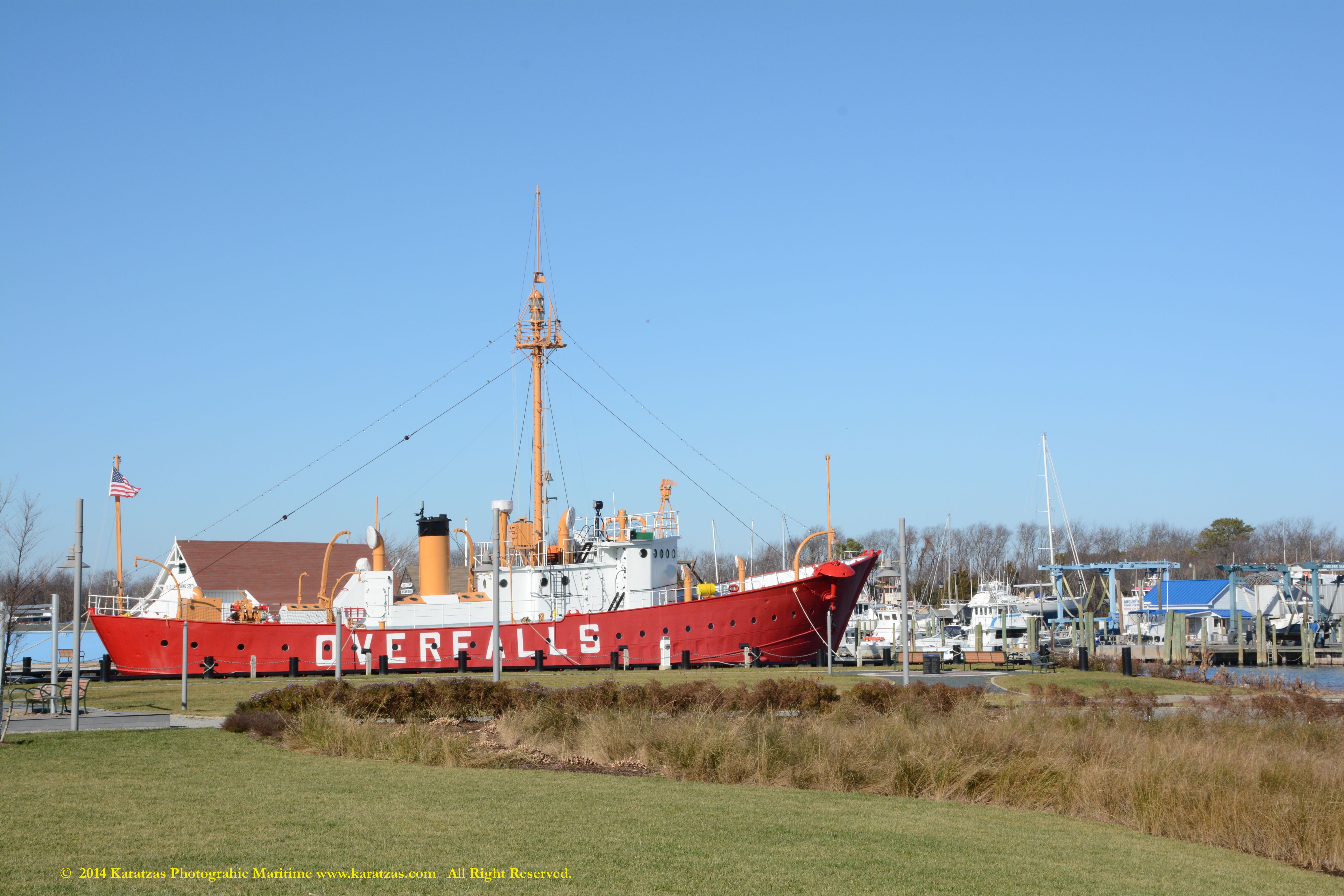
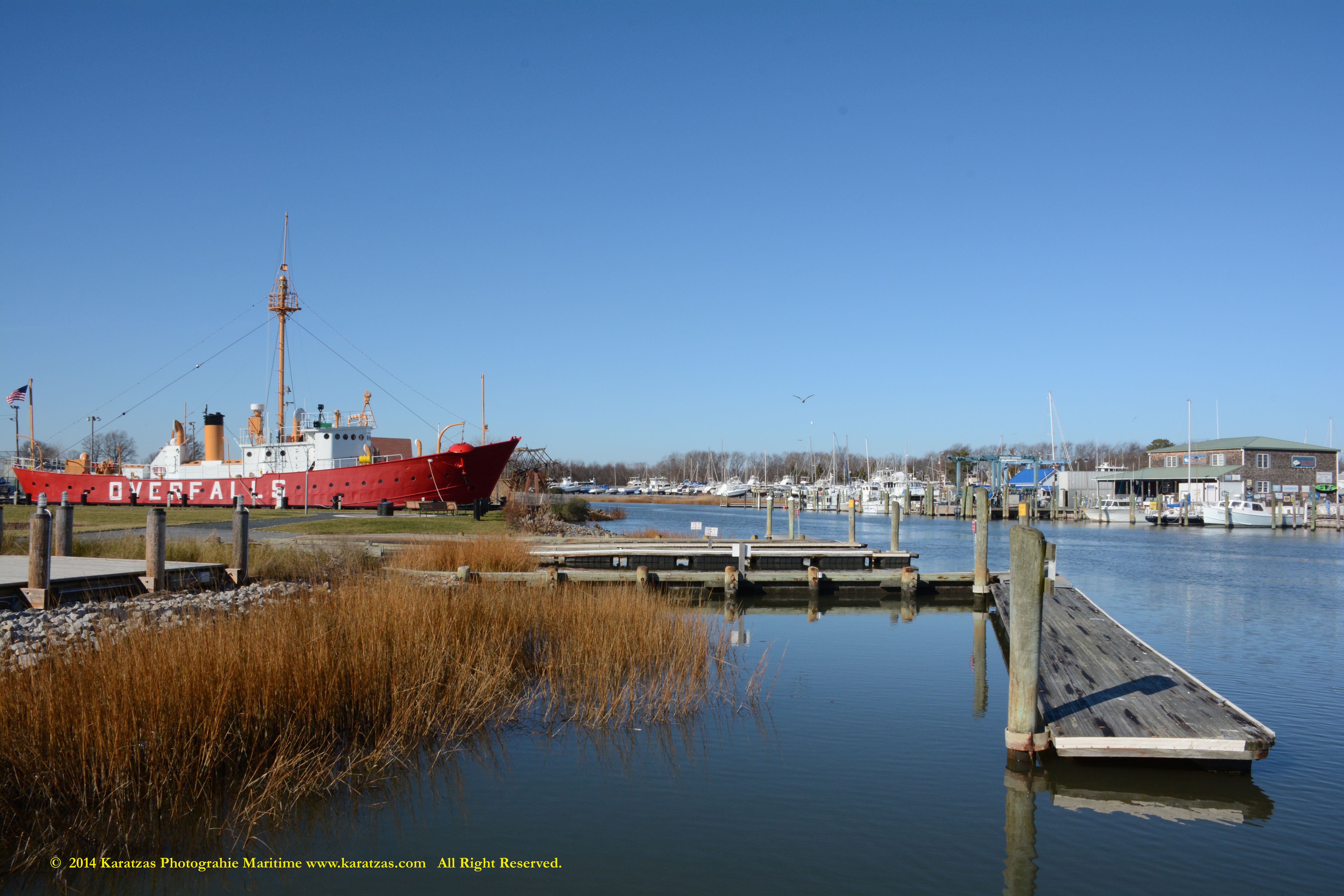
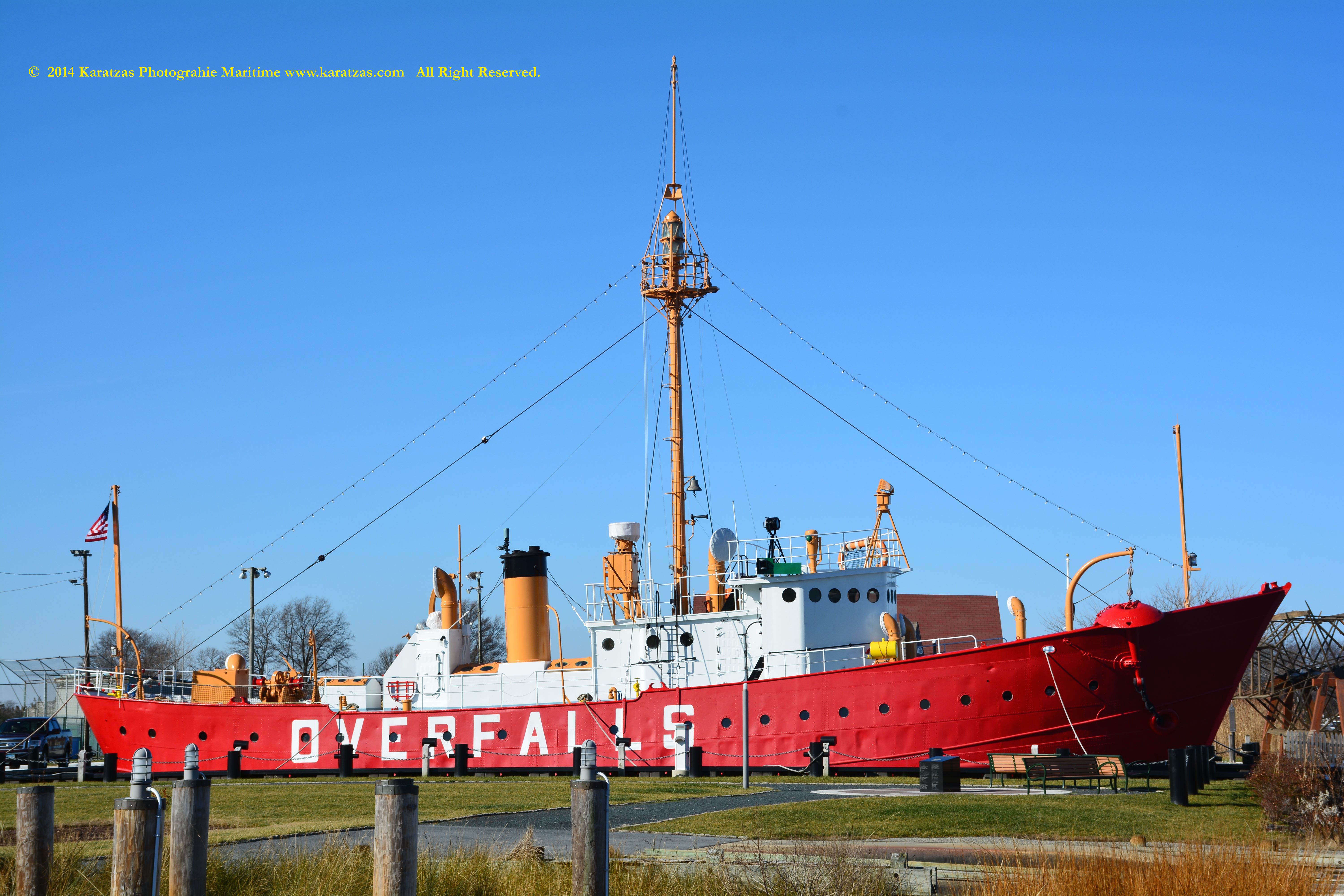
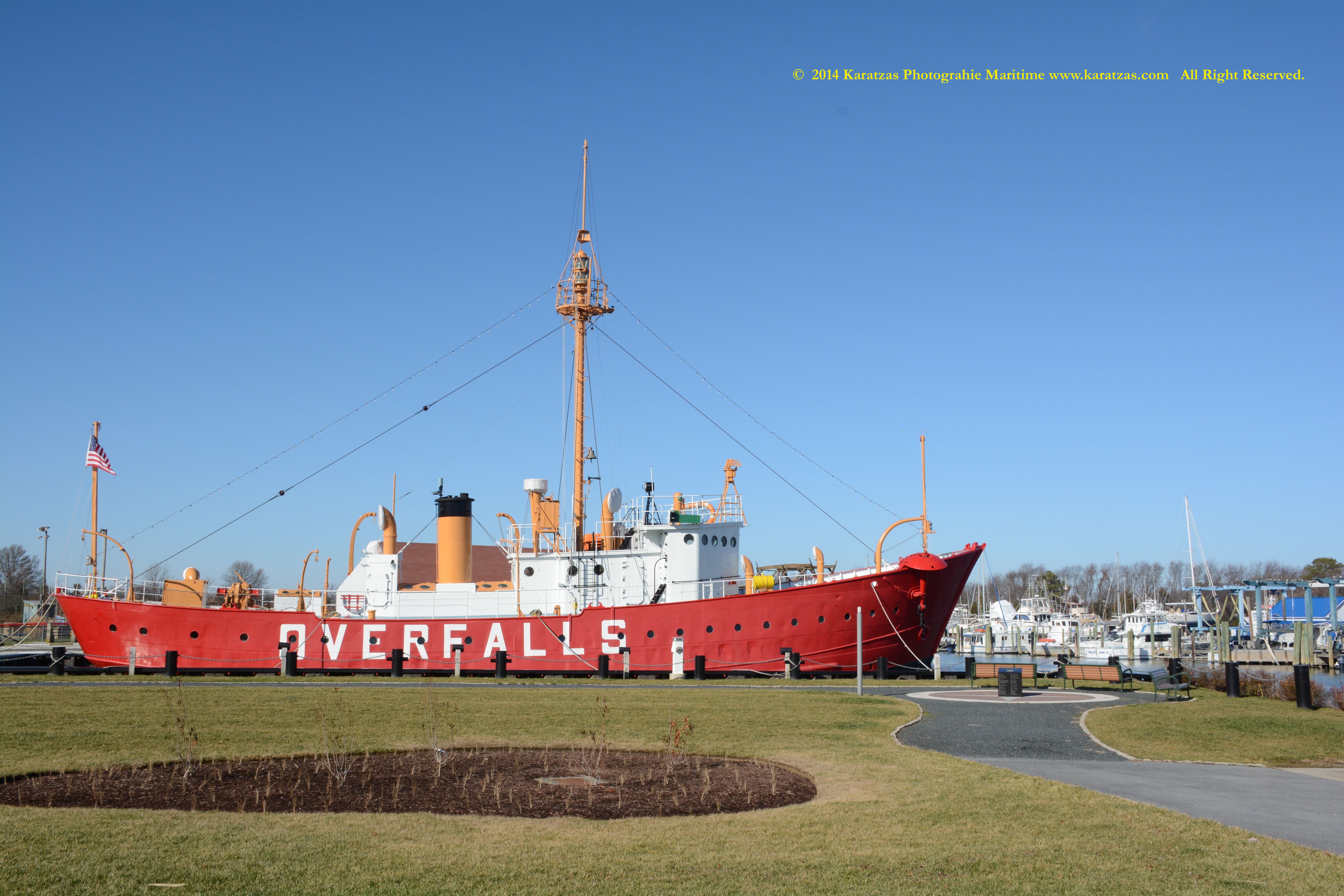
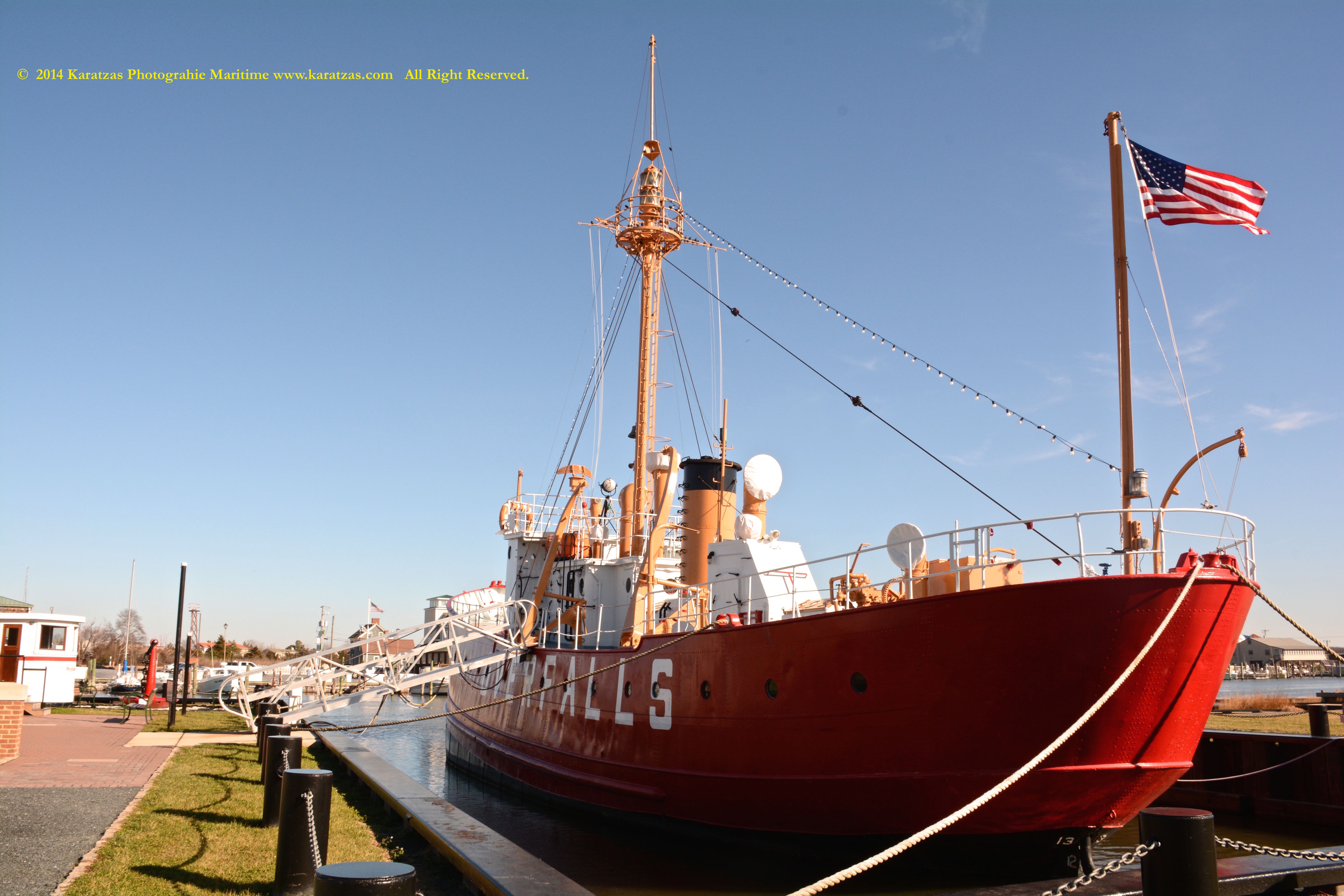
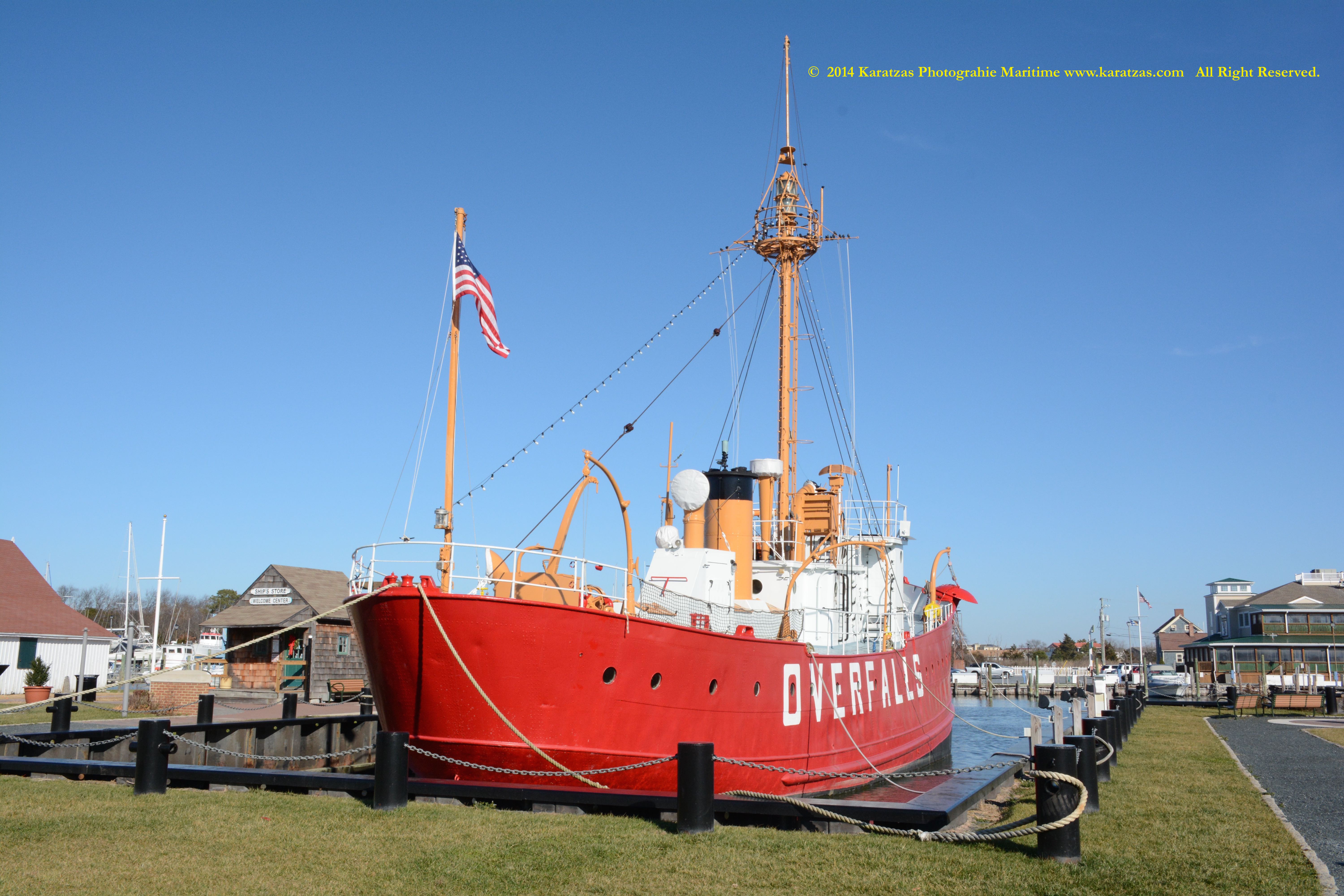
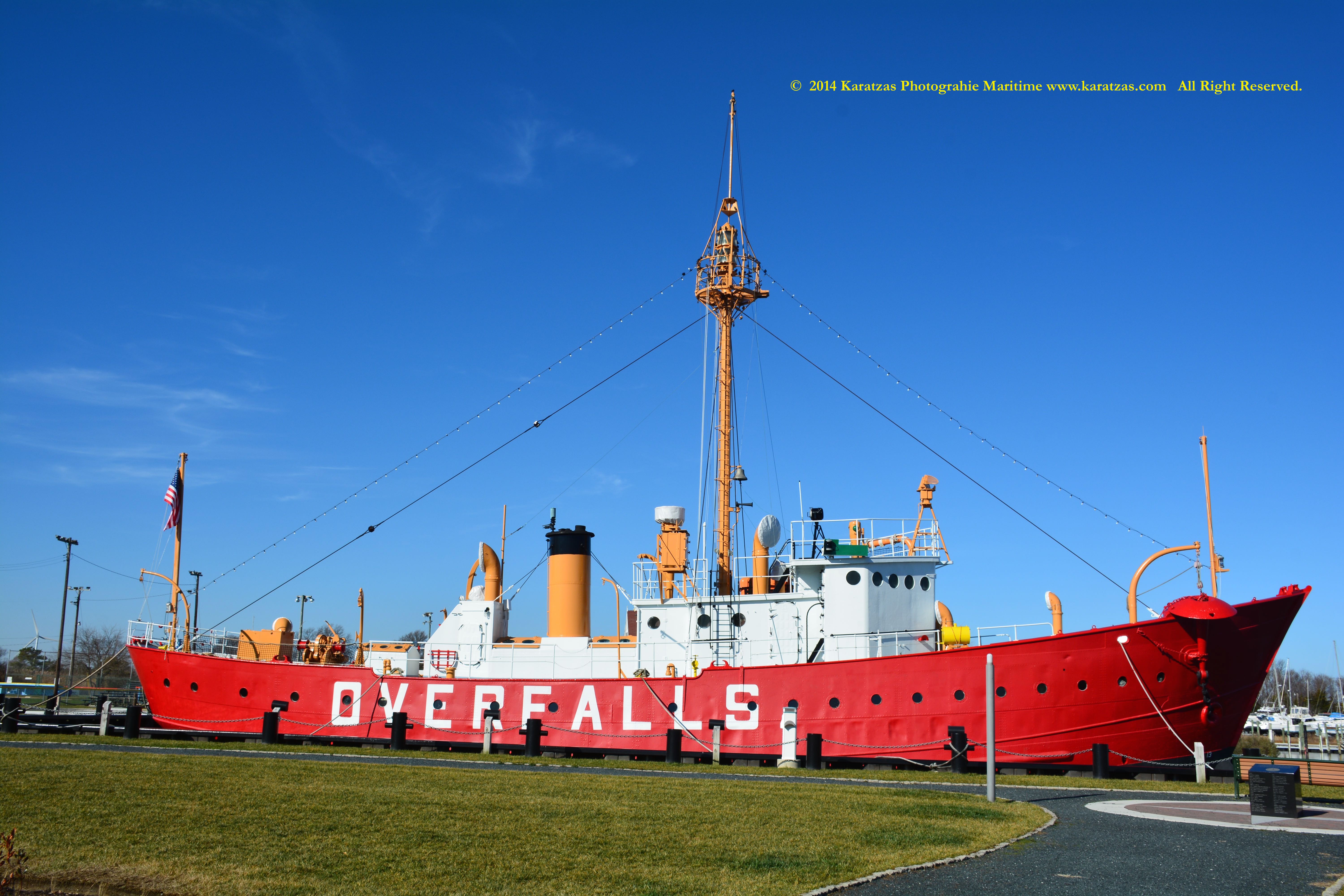
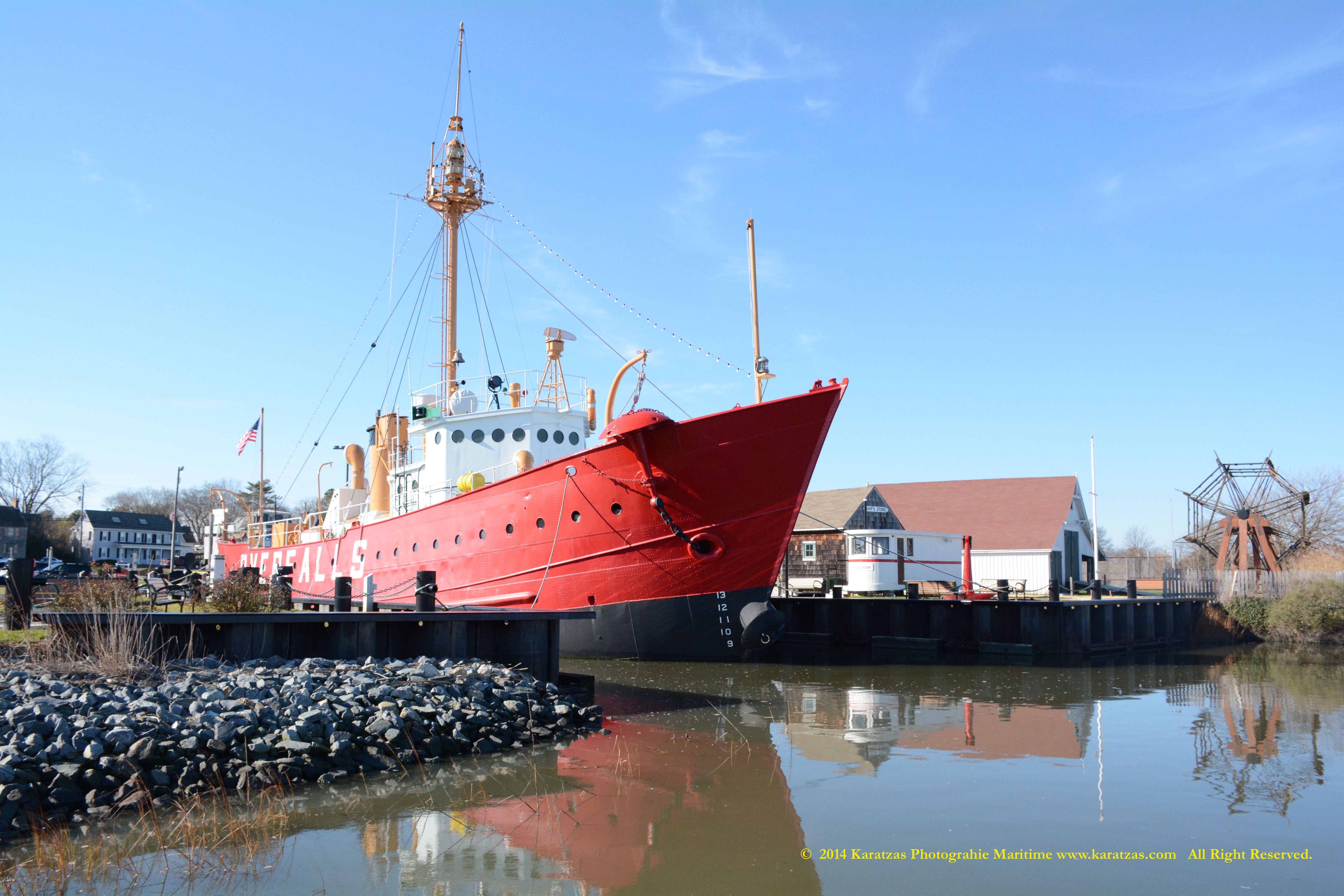
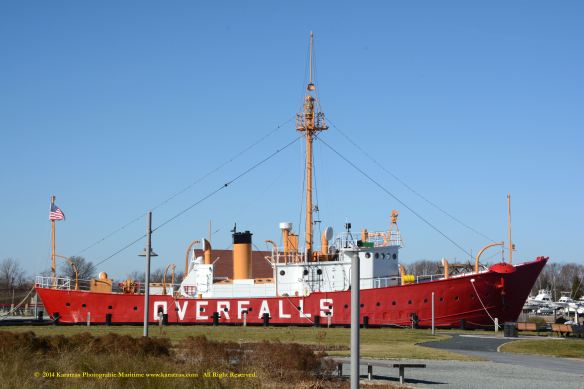
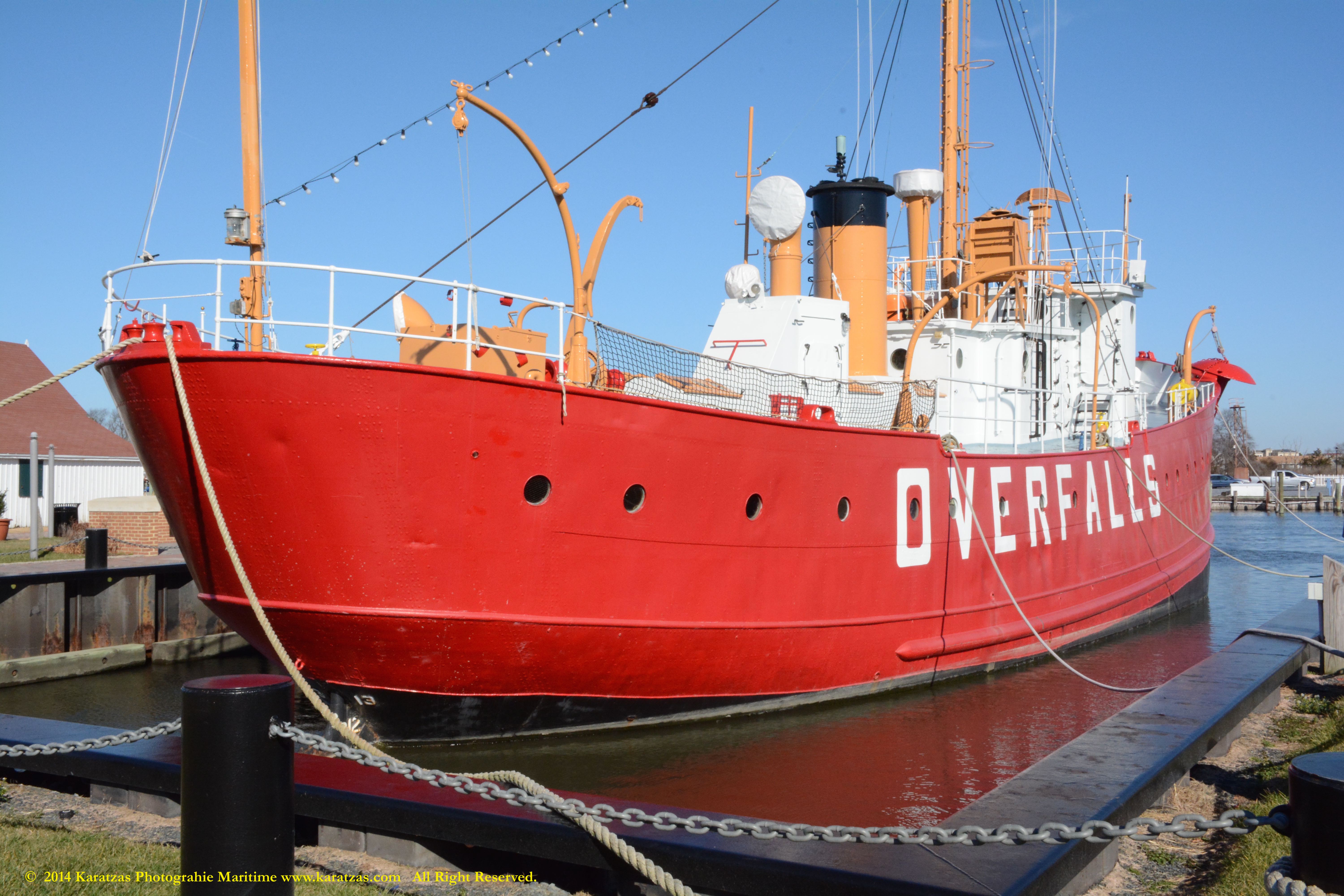
Lightship ‘Overfalls’ is one of only seventeen remaining lightships out of a total of 179 built from 1820 to 1952.  Designated a National Historic Landmark in 2011, she is one of seven lightships still open to the public in the US.

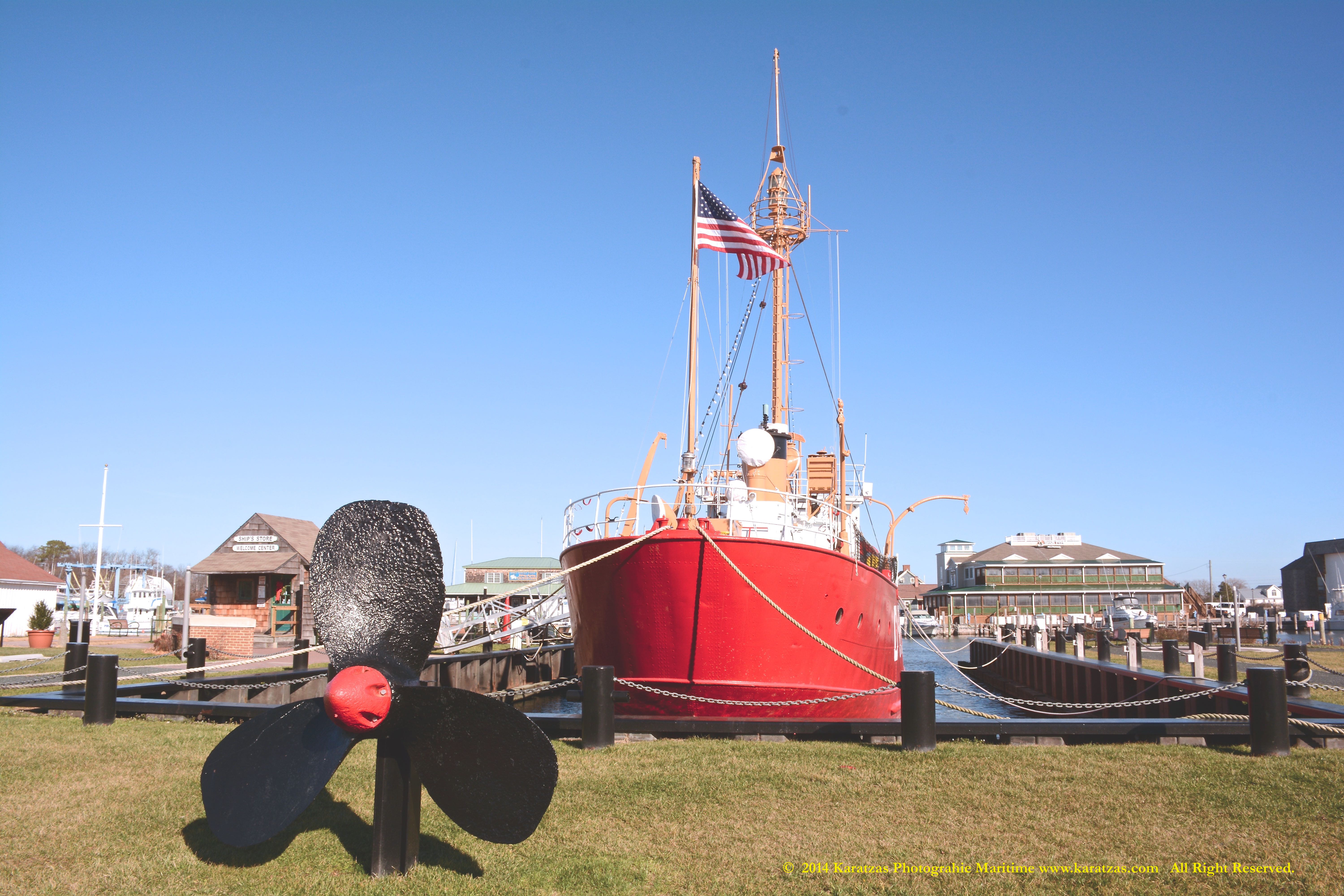
DETAILS:                                                                                                                               Builder: Rice Brothers, East Boothbay, ME.                                                                     Year Built: 1938                                                                                                        Length: 114′ 9″                                                                                                                  Beam: 26’0″                                                                                                                Draft: 13’4″                                                                                                                    Displacement: 412 Tons                                                                                             Illumination Apparatus: Duplex 375mm electric lens lantern, each rated 15,000cp         Propulsion: Diesel – one Cooper-Bessemer 8 cylinder air-start engine, 400 BHP, connected to shaft through reduction gear; 7’2″ diameter propeller; max speed 9 knots    Fog Signal: Dual air diaphones, switchable to single horn; hand operated bell

STATION ASSIGNMENTS                                                                                             1938 – 1957: Cornfield Point, Long Island Sound (CT)                                                      1958 – 1962: Cross Rip Station (MA)                                                                               1962 – 1972: Boston (MA)

The ship’s first assignment after she was launched on June 4, 1938, was to Cornfield Point, located in Long Island Sound roughly three miles from the Lynde Point Lighthouse and the entrance to the Connecticut River. While many lightships were armed and used as examination vessels during World War II, LV-118 remained on station throughout the conflict. In 1957, a lighted bell buoy was placed at Cornfield Point and LV-118 was reassigned to the Cross Rip Station, where it marked the shoal of the same name found just over seven miles offshore from the Cape Poge Lighthouse on Martha’s Vineyard.

Following four years at Cross Rip, LV-118 remained in Massachusetts but was transferred to the Boston Station, where it was anchored just over six miles east of Boston Lighthouse to mark the approaches to Boston Harbor. LV-118 was decommissioned on November 7, 1972, after receiving significant structural damage during a storm in December of 1970. In 1973, the lightship was donated to the Lewes Historical Society, who berthed the vessel along the Rehoboth Canal in Lewes, Delaware and gave her the name of the closest lightship station – Overfalls.

Although the lightship bears the ‘Overfalls’ insignia today, the ‘LV 118/WAL 539’ never actually served at the Overfalls station.

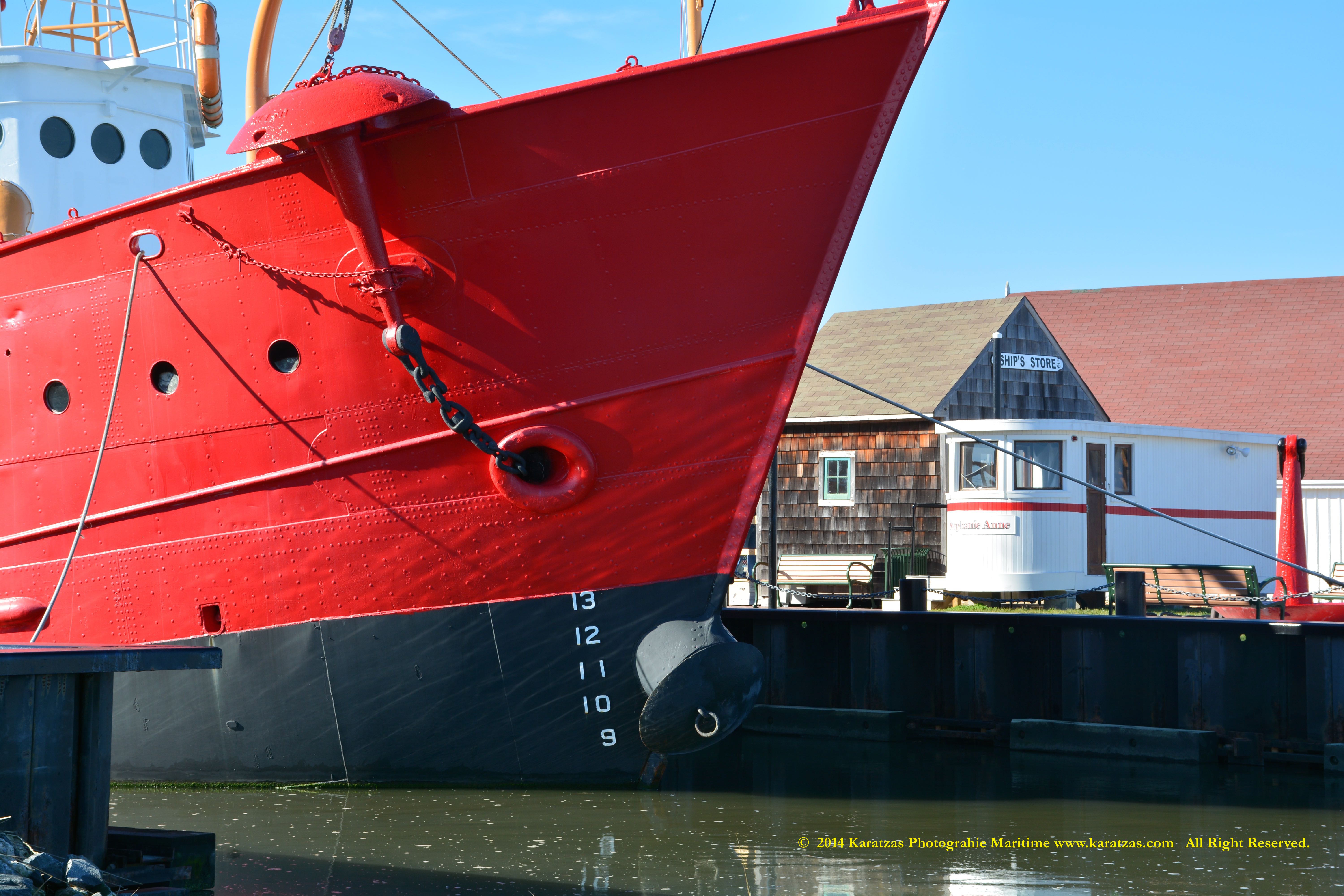
CONSTRUCTION                                                                                                           The Lightship ‘Overfalls’, known to the men who served aboard as LV-118, was the last lightship built for the U.S. Lighthouse Service (USLHS).  Built under contract by Rice Bros. Corporation of East Boothbay, Maine, LV-118 was the last lightship completed by the Lightship Service, though the Coast Guard, which absorbed the service in 1939, would build another six lightships. The hull of LV-118 was subdivided into an unusually large number of water-tight compartments below the main deck to reduce the risk of the vessel’s sinking in the event of a collision. LV-118 was equipped with diesel engines for propulsion and to power its radio-beacon, compressed-air fog signal, warning whistle, and its powerful masthead light. The radio-beacon and fog signal were synchronized for distance finding.

She was only one of the two lightships built in the 20th century for which the Congress made a separate appropriation for a lightship to serve on a specific station.  She was built in East Boothbay, Maine in 1938 and incorporated the latest features of lightship design at the time, including steel bulkheads to compartmentalize the ship.  She was the last lightship commissioned by the USLHS and the last built with a riveted construction. All subsequent lightships, and ships in general, were and are built using welded seam technology.

One year after ‘Overfalls’ was commissioned, the USLHS and all of its assets (lightships, lighthouses, etc.) in 1939 were merged into the U.S. Coast Guard, so for almost all of the ship’s service life she was a Coast Guard ship with uniformed Coast Guard crews aboard.

HISTORICAL DESIGNATIONS

  • National Register of Historic Places, (U.S. National Park Service), 1988.
  • National Historic Landmark, (U.S. National Park Service), 2011; due to ship’s unique characteristics (she has no sister ships which is unusual for lightships of the period which typically had one to five sister ships emanating from the same set of plans) and high degree of integrity.

OVERFALLS LIGHTSHIP STATION                                                                                 The Overfalls Lightship Station was located near the mouth of Delaware Bay, roughly three miles east of Cape Henlopen and 8.5 miles southwest of Cape May, and marked the Overfalls Shoal where the shallowest spot had a depth of only ten feet. Just four different lightships serviced the station between 1898 and 1960, when a buoy was used to mark the location. LV 101/WAL 524 had the longest tenure at the station, being anchored there from 1926 to 1951, and is now permanently docked at Portsmouth, Virginia where it is open to the public as a museum.

WLV-605 bore the station mark ‘Overfalls’ on her sides from when she was built in 1951 until the station was discontinued in 1960. One seaman and an engine-man were on watch at all times, and a four-hour watch was typically served followed by eight hours off. The men lived aboard for twenty-one days and were then treated to an eight-day leave.

Since the Overfalls Lightship acted as a mid-channel marker, traffic near the vessel was common. In October of 1954, a large tanker staved in the lightship’s bow and knocked it a full quarter mile off station. The lightship’s beacon blinked on for ten seconds and off for five seconds, while the fog horn, when necessary, sounded for 1.5 seconds, followed alternately by silence intervals of three and fourteen seconds. WLV-605 was also equipped with a radio beacon that sent out a dot-dash-dot signal on the 1st, 4th, 7th, and 31st, 34th, and 37th minutes of every hour.

An amateur ham radio station, K3CGA, was established on the lightship to help boost morale. By contacting a ham operator on shore, the men were often able to speak to their wives for hours at a time. A movie projector was also brought aboard in 1955 to help the man pass the time.

MODERN HISTORY                                                                                                         In 1973, the Coast Guard donated the ship to the Lewes Historical Society (LHS) to serve as a floating museum in Lewes, Delaware.  LHS brought her to her current location on the canal in downtown Lewes and painted on a new station name, OVERFALLS, in honor of the lightship station closest to Lewes, in the mouth of Delaware Bay where lightships had served as a mid-channel marker from 1898 to 1960 when the station was discontinued.

In 1999, the Lewes Historical Society reluctantly decided to sell the lightship due to upkeep expenses and liability issues. When a potential sale fell through, a group of local citizens, later officially called the Overfalls Maritime Museum Foundation, stepped and purchased the lightship. An ambitious lot known as the “Dirty Hands Gang,” has worked tirelessly to clean, prep, paint and restore the lightship. When additional expertise was needed, contractors were hired to help with complex tasks such as electrical wiring and asbestos removal.

After over 15,000 hours of donated labor, the gang had completely rehabilitated the lightship, inside and out, by 2007, leaving just the restoration of the hull below the waterline. Several shipyards were contacted to dry-dock the lightship and repair its hull, but Colonna Shipyard of Norfolk, Virginia with a bid of $270,000 was eventually selected. Starting on September 2, 2008, a hydraulic and mechanical dredger were used to free the Overfalls from the buildup of years of mud around her hull. By the end of the month the lightship was floating free at her berth and had been inspected by a marine surveyor, allowing the Coast Guard to issue a tow permit.

Early on Tuesday, October 14, a tugboat provided courtesy of Wilmington Tug Inc. extracted the lightship from its birth and towed the vessel out into the Delaware Bay – the first step in its 275-mile voyage that would take it up Delaware Bay, through the C&D Canal, and down the Chesapeake Bay to Norfolk.

Claymont Steel donated plates that over a period of three months were welded onto the pitted and corroded areas of the Overfalls’ hull. The lightship was re-floated on January 19, 2009, but a leak was found that delayed the completion of the work until early March. The ‘Overfalls’ remained in Norfolk until favorable springtime weather allowed her return to Lewes.  After several months at the shipyard in Norfolk, the lightship returned home to Lewes on May 31, 2009 via the Atlantic Ocean rather than the Chesapeake Bay, which shortened the length of the journey. With a Coast Guard escort, the Lewes fireboat, a flotilla of local boaters, and hundreds of well-wishers looking on, a pair of tugboats maneuvered the lightship into its slip, where it will soon be open to the public.

Lightship ‘Overfalls’ was officially dedicated as a National Historic Landmark, the thirteenth National Historic Landmark in Delaware, during a ceremony held at the lightship on October 5, 2011.

One again, a monumental historical project had to be left in the hands of local communities and individual volunteers and corporate sponsors with a profound sense of historic responsibility and appreciation, yet the acuteness of a lightning rod with foresight and bequest to future generations to undertake a project of saving a heap of scrap metal from the torch …  maritime history is our history … and, we are thankful for the salt and the sacrifices of the generations before us …


Lightship Overfalls 1

The last lightship to be built by the pioneering U.S. Lighthouse Service (USLHS) in 1938, today ‘Overfalls’ is one of the last surviving floating lighthouses serving as a museum ship and open to the public. Designated as a National Historic Landmark, she’s located in Lewes, Delaware. http://www.karatzas.com
Lightship Overfalls 2

The last lightship to be built by the pioneering U.S. Lighthouse Service (USLHS) in 1938, today ‘Overfalls’ is one of the last surviving floating lighthouses serving as a museum ship and open to the public. Designated as a National Historic Landmark, she’s located in Lewes, Delaware. http://www.karatzas.com
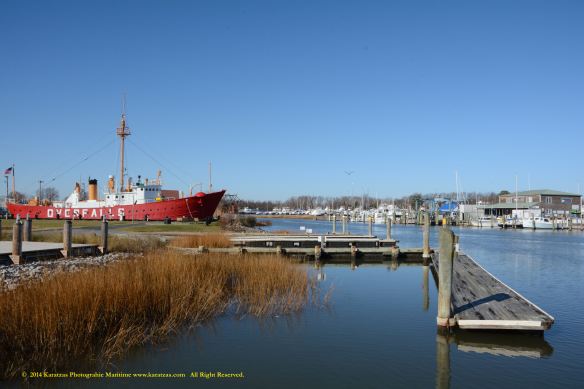
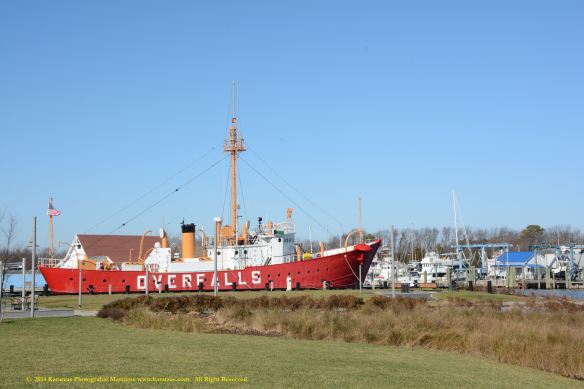
Lightship Overfalls 3

The last lightship to be built by the pioneering U.S. Lighthouse Service (USLHS) in 1938, today ‘Overfalls’ is one of the last surviving floating lighthouses serving as a museum ship and open to the public. Designated as a National Historic Landmark, she’s located in Lewes, Delaware. http://www.karatzas.com
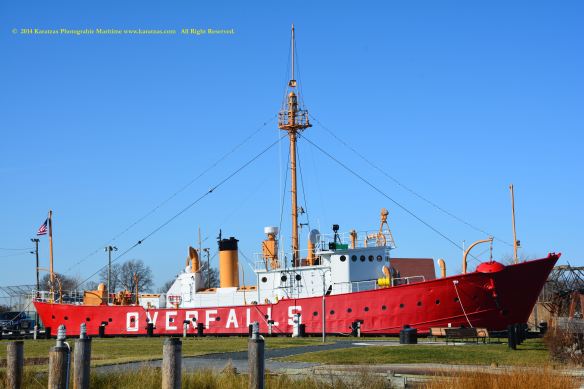
Lightship Overfalls 4

The last lightship to be built by the pioneering U.S. Lighthouse Service (USLHS) in 1938, today ‘Overfalls’ is one of the last surviving floating lighthouses serving as a museum ship and open to the public. Designated as a National Historic Landmark, she’s located in Lewes, Delaware. http://www.karatzas.com
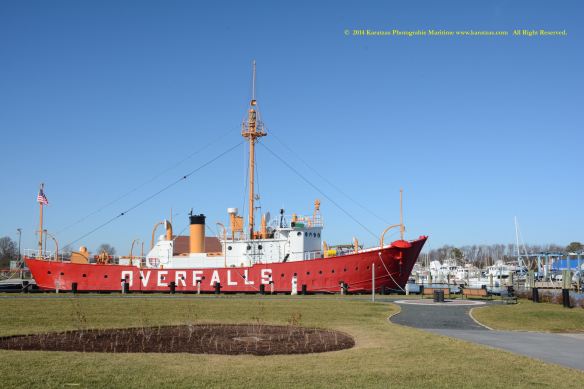
Lightship Overfalls 5

The last lightship to be built by the pioneering U.S. Lighthouse Service (USLHS) in 1938, today ‘Overfalls’ is one of the last surviving floating lighthouses serving as a museum ship and open to the public. Designated as a National Historic Landmark, she’s located in Lewes, Delaware. http://www.karatzas.com
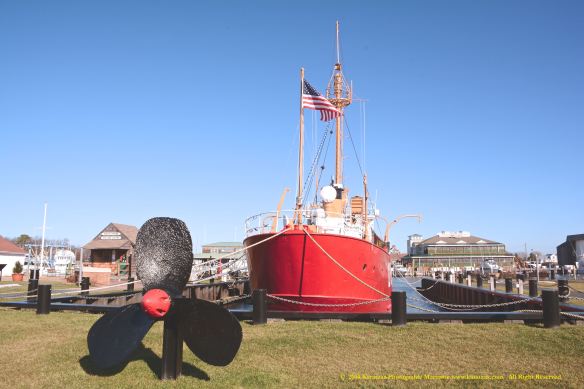
Lightship Overfalls 6

The last lightship to be built by the pioneering U.S. Lighthouse Service (USLHS) in 1938, today ‘Overfalls’ is one of the last surviving floating lighthouses serving as a museum ship and open to the public. Designated as a National Historic Landmark, she’s located in Lewes, Delaware. http://www.karatzas.com
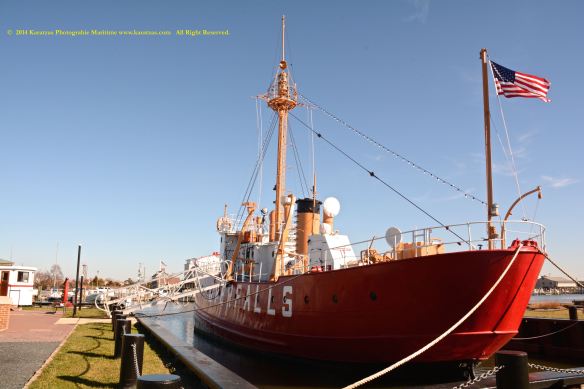
Lightship Overfalls 7

The last lightship to be built by the pioneering U.S. Lighthouse Service (USLHS) in 1938, today ‘Overfalls’ is one of the last surviving floating lighthouses serving as a museum ship and open to the public. Designated as a National Historic Landmark, she’s located in Lewes, Delaware. http://www.karatzas.com
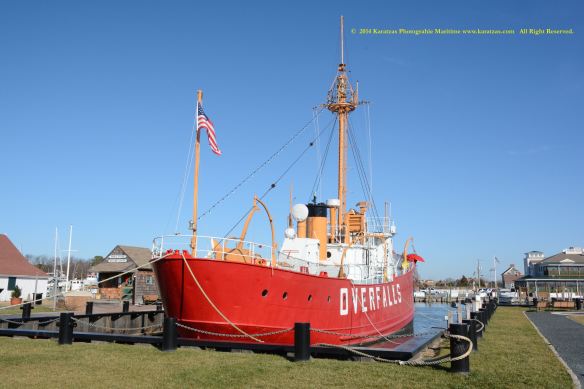
Lightship Overfalls 8

The last lightship to be built by the pioneering U.S. Lighthouse Service (USLHS) in 1938, today ‘Overfalls’ is one of the last surviving floating lighthouses serving as a museum ship and open to the public. Designated as a National Historic Landmark, she’s located in Lewes, Delaware. http://www.karatzas.com
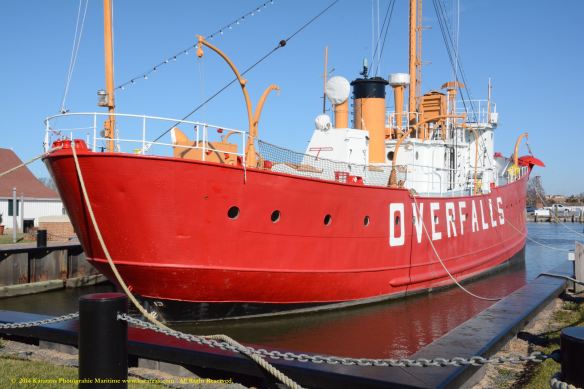
Lightship Overfalls 9

The last lightship to be built by the pioneering U.S. Lighthouse Service (USLHS) in 1938, today ‘Overfalls’ is one of the last surviving floating lighthouses serving as a museum ship and open to the public. Designated as a National Historic Landmark, she’s located in Lewes, Delaware. http://www.karatzas.com
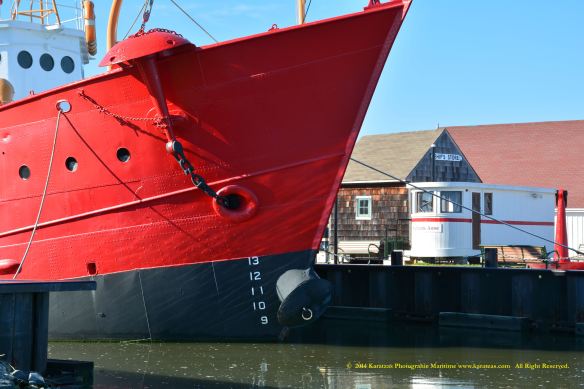
Lightship Overfalls 10

The last lightship to be built by the pioneering U.S. Lighthouse Service (USLHS) in 1938, today ‘Overfalls’ is one of the last surviving floating lighthouses serving as a museum ship and open to the public. Designated as a National Historic Landmark, she’s located in Lewes, Delaware. http://www.karatzas.com
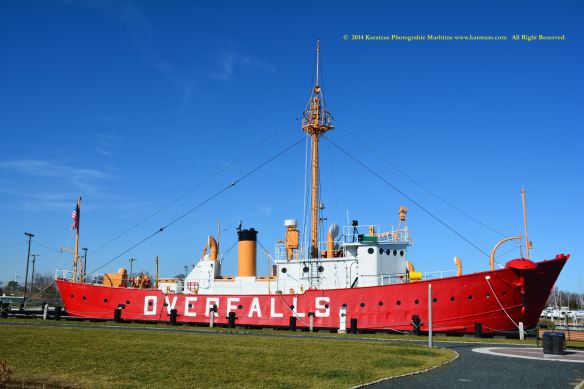
Lightship Overfalls 11

The last lightship to be built by the pioneering U.S. Lighthouse Service (USLHS) in 1938, today ‘Overfalls’ is one of the last surviving floating lighthouses serving as a museum ship and open to the public. Designated as a National Historic Landmark, she’s located in Lewes, Delaware. http://www.karatzas.com
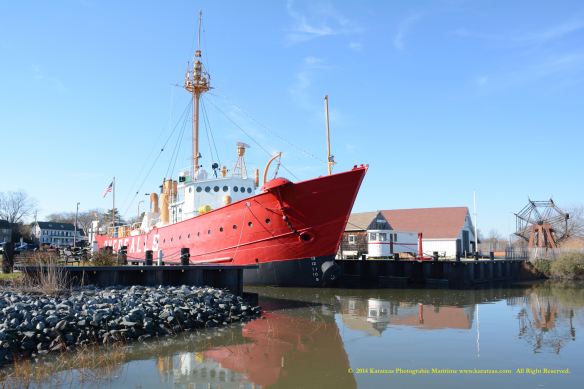
Lightship Overfalls 12

The last lightship to be built by the pioneering U.S. Lighthouse Service (USLHS) in 1938, today ‘Overfalls’ is one of the last surviving floating lighthouses serving as a museum ship and open to the public. Designated as a National Historic Landmark, she’s located in Lewes, Delaware. http://www.karatzas.com


© 2013-2015 Basil M Karatzas & Karatzas Marine Advisors & Co.  All Rights Reserved.

IMPORTANT DISCLAIMERS:  Vessel description is provided in good faith and is believed to be correct and accurate but no assurances, warranties or representations are made herewith. Vessel description is provided for entertainment  purposes only. We have no responsibility whatsoever for any errors / omissions in vessel description.
Access to this blog signifies the reader’s irrevocable acceptance of this disclaimer. No part of this blog can be reproduced by any means and under any circumstances, whatsoever, in whole or in part, without proper attribution or the consent of the copyright and trademark holders of this website. Whilst every effort has been made to ensure that information herewithin has been received from sources believed to be reliable and such information is believed to be accurate at the time of publishing, no warranties or assurances whatsoever are made in reference to accuracy or completeness of said information, and no liability whatsoever will be accepted for taking or failing to take any action upon any information contained in any part of this website.  Thank you for the consideration.